
Camping for Beginners: Essential Gear, Safety Tips, and Planning
Planning your first camping trip? Discover essential camping gear, beginner-friendly safety tips, and simple planning advice to enjoy a comfortable, safe, and memorable outdoor adventure.
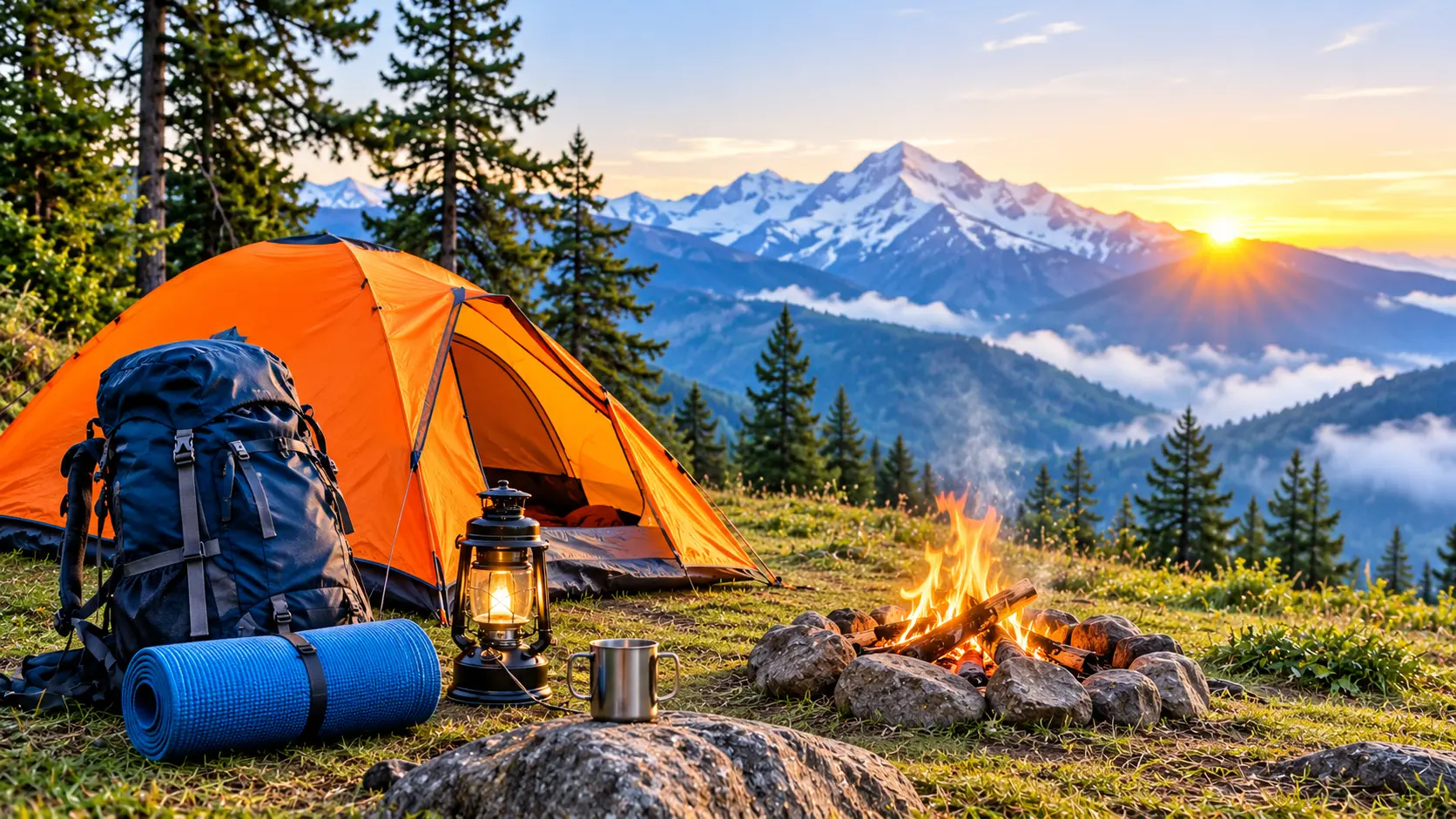
Camping is definitely one of the most effective means of getting away from the hustle and bustle of the city and getting to know nature up close. You can either sleep out under the open sky, visit the forest, stay by the lake, or climb the mountains if you like that sort of thing. Nevertheless, if you are going on your first outdoor trip, there are several things you should know.
Although it might appear difficult at first for new campers since there are various tasks to complete such as choosing the location, organizing equipment, cooking, and learning how to be safe outdoors, the positive aspect of it is that one does not have to have sophisticated equipment or outdoor knowledge.
This guide for beginner campers is a comprehensive one on all that you should know about camping, which include basic camping equipment for beginners, camping safety tips, and planning your camping trip.
1. Understand the Basics of Camping
Before buying equipment or choosing your destination, you should know what camping entails. Camping is spending time outdoors, often overnight, in a tent, campervan, or other form of temporary accommodation.
There are many forms of camping, and newbies should pick one that suits them.
- Tent Camping: A traditional option where you sleep inside a tent at a designated campsite.
- Car Camping: You park your vehicle near your campsite, making it easier to carry equipment and supplies.
- Backpacking Camping: You carry your essential belongings in a backpack and travel to remote outdoor locations.
- RV Camping: You stay in a recreational vehicle equipped with sleeping and basic living facilities.
- Glamping: A comfortable camping experience that combines outdoor surroundings with facilities such as proper beds and electricity.
For beginners, going for car camping or tent camping in an organized campsite is a good start. This will enable one to learn some basics on camping without having to carry a lot of gear.
2. Camping Essentials for Beginners: What Should You Pack?
Packing appropriate gear is an essential aspect of preparing for the first-ever camping experience. The emphasis should be placed on comfort, safety, and practicality rather than spending money on accessories that you might not need.
Here is a list of essential camping equipment every beginner should consider.
3. 10 Essential Camping Gear Items for Beginners
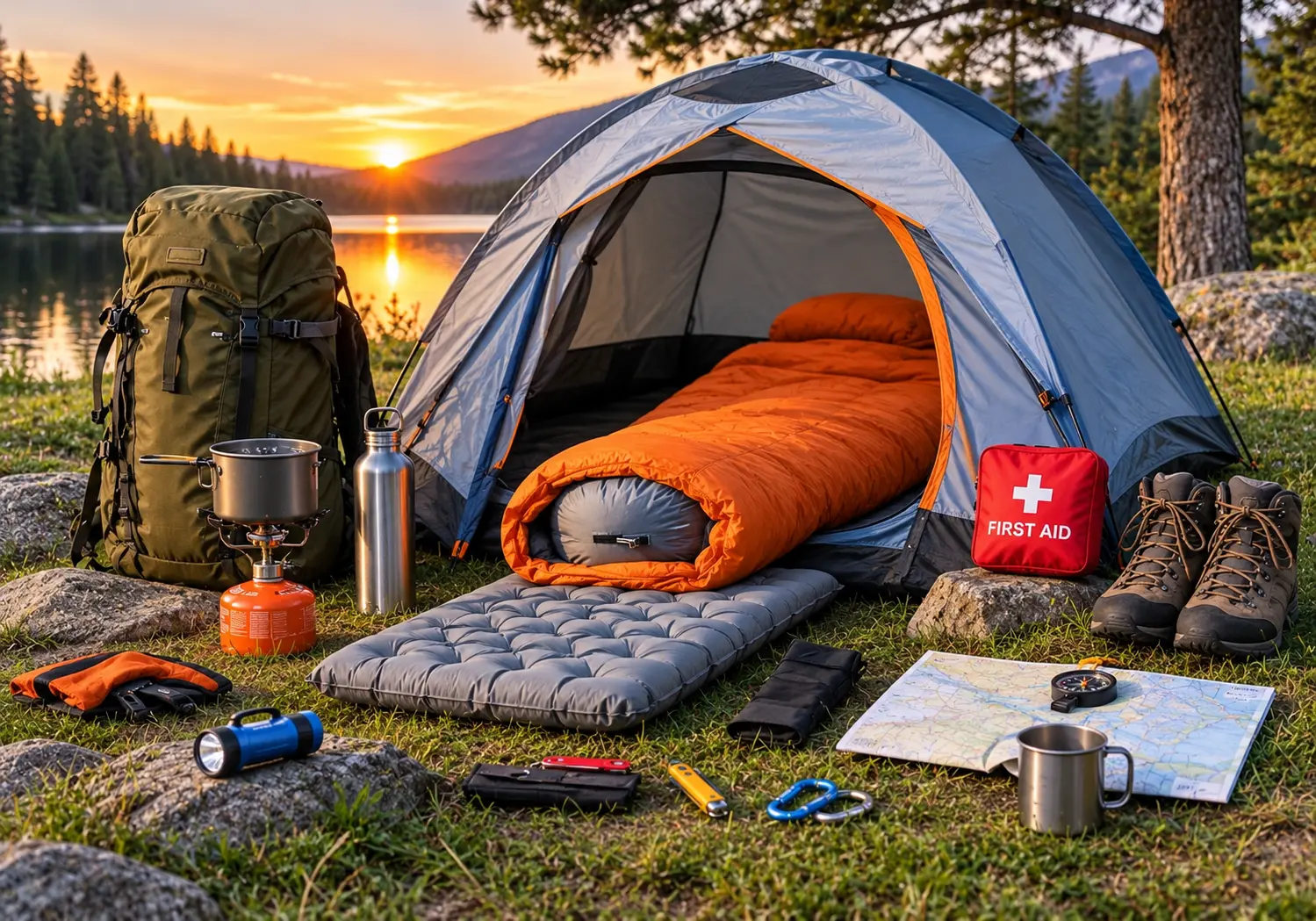
1. Tent: It is important to have a good tent as it will protect you against rain, wind, bugs, and varying weather. Get yourself a tent that is easy to put up and is spacious enough for all.
2. Sleeping Bag: The sleeping bag will make you warm and comfortable at night. Choose the right type based on the anticipated temperature at night in your destination.
3. Sleeping Mat: Sleeping directly on the ground may be uncomfortable. There is an option for using either a foam or inflatable sleeping mat.
4. Backpack: The durable backpack will help you organize and carry your camping gear. Consider the size of the backpack depending on the number of days you plan to spend camping and your equipment.
5. Cooking Equipment: Camping stoves and cookware make your cooking outdoors easy. Camping stoves should always be used outdoors only.
6. Water Bottles: It is very important to be well hydrated when participating in outdoor sports and activities. Make sure you carry a bottle of water along with water treatment methods.
7. First Aid Kit: It must consist of bandages, antiseptic wipes, gauze, medical tape, and any other required medication.
8. Flashlight or Headlamp: When the sun sets campsites can become very dark. A flashlight or headlamp is essential for moving and for finding your belongings. I always keep a flashlight or headlamp close by.
9. Weather-Appropriate Clothing: Pack clothing that feels comfortable, for the weather. Bring layers a rain jacket and proper footwear. Weather-appropriate clothing will keep you dry and comfortable.
10. Navigation Tools: A smartphone, with maps, a physical map and a compass can help you understand your surroundings and avoid getting lost.
4. How to Plan a Camping Trip Successfully
Good planning makes camping easier especially if you have never spent a night outdoors. Than setting up everything at the last minute follow a simple preparation process.
Choose the Right Camping Destination
Start by choosing a place that's easy for beginners. Find known campsites that have roads that are easy to drive on clean places, water to drink and areas that are clearly set up for camping.
Do some research before you make a reservation. Find out if you need a permit, to camp if you can have fires and if the campsite has restrooms or places to take a shower.
Check the Weather Forecast
Weather conditions can affect your camping experience. Check the forecast before leaving and prepare for changes.
If heavy rainfall, thunderstorms, extreme temperatures or strong winds are expected consider changing your travel dates. Beginners should avoid camping in weather conditions.
Decide the Duration of Your Trip
For your camping experience a one-night trip is usually enough. It gives you an opportunity to understand how camping works without requiring preparation.
Once you become comfortable, with outdoor activities you can plan longer trips.
Prepare Your Food and Water
Plan meals that are easy to prepare outdoors. Sandwiches, fruits, ready‑to‑cook meals, nuts and packaged snacks are options.
Carry drinking water for everyone. If you plan to collect water from sources treat or filter it using an appropriate method before drinking.
Test Your Camping Equipment
Never wait until you reach the campsite to test your equipment. Set up your tent at home. Check your sleeping bag. Inspect your flashlight. Make sure your cooking equipment works properly.
This simple step can prevent unnecessary problems during your trip.
5. Camping Safety Tips Every Beginner Should Know
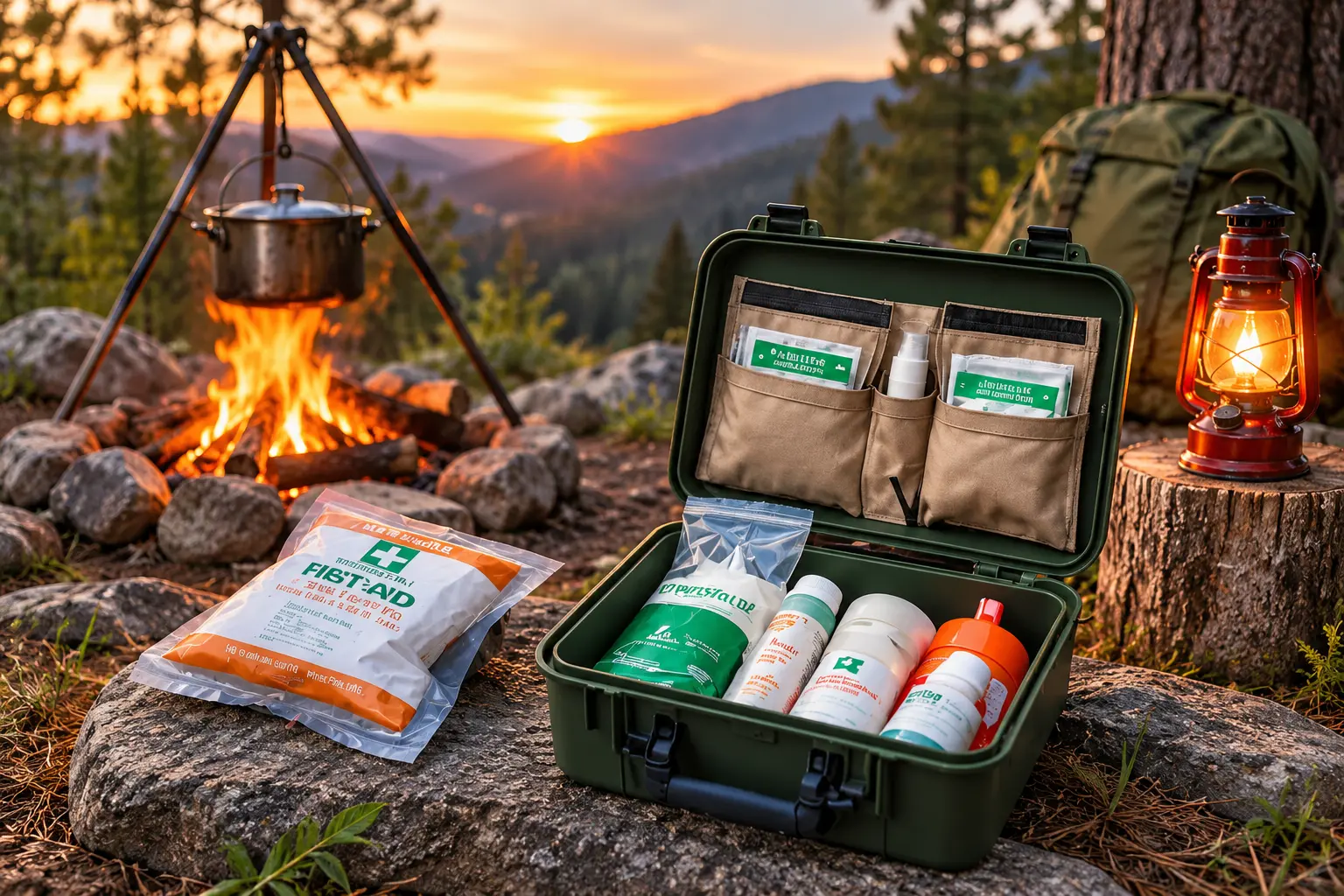
Safety should always be a priority when spending time outdoors. Even a short camping trip requires preparation and awareness.
Follow these important camping safety tips to protect yourself and your fellow campers.
- Share Your Travel Plans: Inform a family member or friend about your destination, campsite, and expected return time.
- Follow Campsite Rules: Read the local regulations and follow instructions provided by campsite authorities.
- Store Food Properly: Keep food sealed and stored according to local wildlife safety guidelines. Never leave food scattered around your tent.
- Avoid Dangerous Weather: Stay away from exposed areas during thunderstorms and avoid camping near rivers that may flood.
- Keep a First Aid Kit: Carry basic medical supplies and understand how to use them.
- Be Careful With Fire: Use designated fire areas only when permitted. Never leave a fire unattended and ensure it is completely extinguished.
- Stay on Marked Trails: Avoid unfamiliar shortcuts, especially in forests and mountainous areas.
- Protect Yourself From Insects: Carry insect repellent and wear appropriate clothing to reduce insect bites.
- Keep Your Phone Charged: Carry a power bank and save emergency contact information before leaving.
- Respect Wildlife: Observe animals from a safe distance. Never feed or approach wild animals.
Remember that outdoor conditions can change quickly. If something feels unsafe, prioritize your safety instead of continuing the activity.
6. What Food Should Beginners Take Camping?
Food planning is another important part of camping preparation. Beginners should choose meals that require minimal cooking, are easy to store, and do not spoil quickly.
Here are some convenient camping food ideas:
Meal | Food Options |
Breakfast | Oats, bread, peanut butter, fruits |
Lunch | Sandwiches, wraps, instant noodles |
Dinner | Rice, ready-to-cook meals, pasta |
Snacks | Nuts, biscuits, energy bars |
Drinks | Drinking water, tea, coffee
|
Use insulated coolers for perishable foods and follow safe food storage practices. Keep raw and cooked food separate, and avoid leaving leftovers outside overnight.
For your first camping trip, preparing a simple meal plan in advance will help you avoid carrying unnecessary food supplies.
7. Common Camping Mistakes Beginners Should Avoid
Your first camping experience may involve a few challenges, but avoiding common mistakes can make the journey much smoother.
Packing Too Much Equipment: Beginners sometimes carry unnecessary items. Focus on essential gear and avoid overloading your backpack or vehicle.
Ignoring Weather Conditions: Leaving without checking the forecast can create uncomfortable or dangerous situations.
Choosing a Difficult Campsite: Remote locations may look exciting, but they can be challenging for someone without outdoor experience. Start with an established campsite.
Forgetting Basic Hygiene Supplies: Carry biodegradable soap where permitted, hand sanitizer, tissues, a towel, and waste bags. Follow local rules for washing and waste disposal.
Not Practising Tent Setup: Setting up a tent for the first time in darkness or heavy rain can be frustrating. Practise before travelling.
Leaving Waste Behind: Always collect your rubbish and dispose of it properly. Leave the campsite as clean as you found it.
8. How to Make Your First Camping Experience More Enjoyable
Camping is not just about sleeping outdoors. It is also an opportunity to disconnect from daily routines and enjoy simple activities.
You can make your trip more enjoyable by planning a few relaxing activities.
- Watch the sunrise or sunset from a scenic location.
- Explore nearby hiking trails suitable for your fitness level.
- Enjoy outdoor photography and nature observation.
- Prepare a simple meal with your camping companions.
- Play outdoor games or enjoy storytelling around the campsite.
- Spend some time away from mobile screens and appreciate the surroundings.
Avoid creating an overly busy schedule. Leave enough time to relax, explore, and enjoy the natural environment.
9. Final Camping Checklist for Beginners
Before leaving home, review this checklist to make sure you have packed the most important items.
Category | Essential Items |
Shelter | Tent, stakes, groundsheet |
Sleeping | Sleeping bag, sleeping mat, pillow |
Clothing | Jackets, extra clothes, rainwear |
Cooking | Stove, cookware, utensils |
Food & Water | Meals, snacks, water bottles |
Safety | First aid kit, flashlight, power bank |
Hygiene | Towel, toothbrush, soap, tissues |
Navigation | Offline maps, compass, phone |
You can adjust this checklist according to the campsite, weather, trip duration, and number of people travelling.
Conclusion
Camping is a rewarding outdoor activity that allows you to explore nature, develop practical skills, and create unforgettable memories. Although your first trip may seem challenging, proper preparation can make the experience comfortable and enjoyable.
Start with an easy campsite, invest in reliable beginner camping gear, pack essential supplies, and follow basic camping safety tips. Most importantly, learn from every experience and avoid taking unnecessary risks.
Whether you are planning a weekend getaway or a longer outdoor adventure, understanding camping for beginners will help you prepare confidently and enjoy your time in nature.
Need to know
Frequently asked questions
What equipment do beginners need for camping?+
Beginners should carry a tent, sleeping bag, sleeping mat, backpack, flashlight, water bottles, cooking equipment, first aid kit, weather-appropriate clothing, and navigation tools. These basic items help make camping safer and more comfortable.
How much does a beginner camping trip cost?+
The cost depends on the destination, equipment, transportation, campsite fees, and food. A basic camping trip can be affordable if you borrow equipment, choose an established campsite, and prepare your meals in advance.
Is camping safe for beginners?+
Yes, camping can be safe for beginners when they choose suitable campsites, check weather conditions, carry essential safety equipment, follow local rules, and avoid risky outdoor activities.
What is the best duration for a first camping trip?+
A one-night camping trip is a good starting point. It gives beginners enough time to practise setting up a tent, preparing food, and sleeping outdoors without the pressure of managing a long trip.
What should beginners avoid while camping?+
Beginners should avoid camping during severe weather, choosing isolated locations without experience, approaching wildlife, leaving food unattended, ignoring campsite regulations, and starting fires in unauthorized areas.