
Football Betting Scams: How to Spot Fake Betting Websites
Learn how to identify football betting scams, spot fake betting websites, recognize suspicious payment requests, and protect your personal information from online betting fraud.
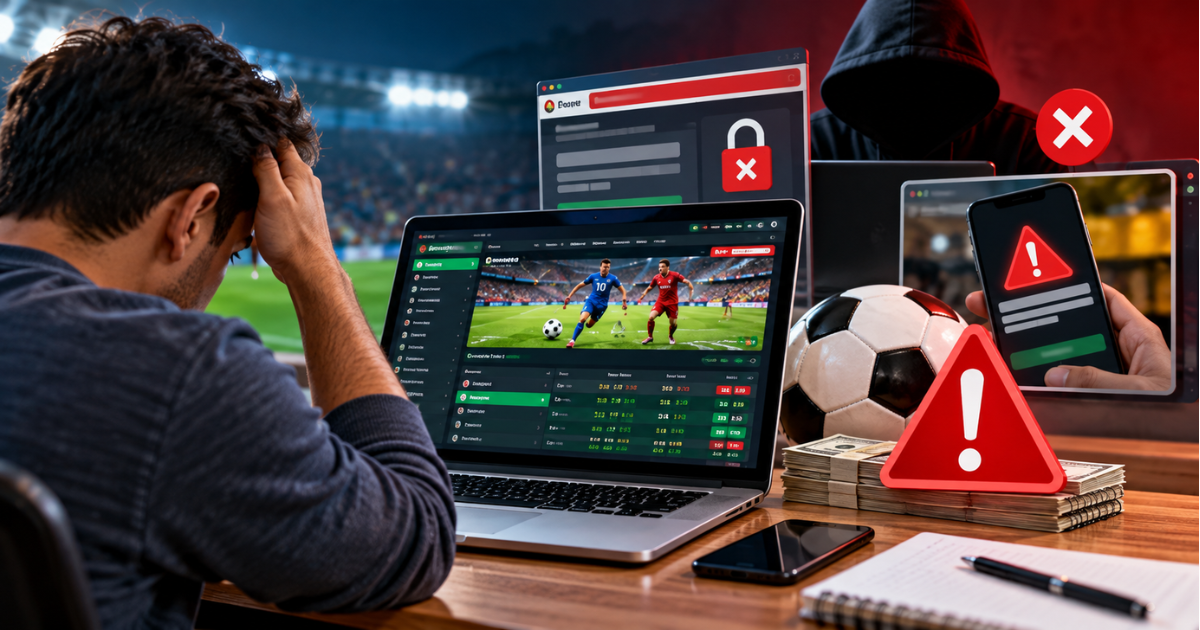
Football is one of the most popular sports in the world, attracting millions of fans who follow their favourite teams, leagues, and tournaments. Alongside this popularity, online football betting has also grown, creating opportunities for both legitimate businesses and fraudulent operators. Unfortunately, not every website that promises exciting odds, quick payouts, or exclusive betting offers can be trusted.
Football betting scams can put users' money, personal information, and online security at risk. Some fraudulent websites look professional, display fake customer reviews, and advertise bonuses that seem too good to ignore. However, problems often appear when users try to withdraw their winnings or contact customer support.
At PostNoble, we believe that understanding online risks is an important part of making informed digital decisions. This guide explains how to identify suspicious betting platforms, recognise common warning signs, and protect yourself from online fraud.
What Are Football Betting Scams?
Football betting scams involve deceptive websites, applications, social media accounts, or individuals who attempt to trick users into sharing money or sensitive information. These scams may imitate genuine betting platforms or operate under false promises of guaranteed profits.
For example, a website might advertise unusually high odds for a major football match. After a user deposits money and places a bet, the platform may suddenly restrict the account, demand additional payments, or refuse to process withdrawals.
Not every unfamiliar website is automatically fraudulent, but users should verify a platform before trusting it with money or personal information. Understanding the warning signs is the first step towards avoiding unnecessary risks.
7 Warning Signs of Fake Football Betting Websites
Recognising suspicious behaviour early can help you avoid many common online scams. The following warning signs are worth checking before interacting with a betting platform.
1. Unrealistic Bonuses and Guaranteed Profits
One of the most common tactics used by fraudulent operators is promising returns that sound too good to be true.
You might see advertisements claiming that every football bet is guaranteed to win, or that depositing a small amount will produce a large profit within minutes. Some platforms also promise enormous welcome bonuses without clearly explaining the conditions.
Remember that football matches are unpredictable. No legitimate analysis can guarantee a winning outcome every time.
What to check: Read the bonus terms carefully, including minimum deposits, wagering requirements, withdrawal limits, and expiry dates. Treat guaranteed-profit claims as a serious warning sign.
2. Missing or Unverifiable Licensing Information
Legitimate betting operators generally need appropriate authorisation in the jurisdictions where they offer regulated gambling services. Fraudulent websites may display fake licence numbers, copied regulator logos, or vague statements about being fully licensed.
A logo on a homepage is not sufficient proof that a company is authorised.
What to check: Identify the legal company operating the website and verify its licence directly through the relevant regulator's official website. Check whether the licence covers the specific brand and jurisdiction.
Also remember that licensing requirements differ between countries and regions. A website operating legally in one location may not be authorised to accept customers elsewhere.
3. Poor Website Security and Suspicious URLs
Fake football betting websites sometimes copy the design of established brands to appear trustworthy. They may use similar domain names, unusual spellings, extra characters, or misleading website addresses.
For instance, a fraudulent domain might imitate a familiar brand by adding a word or changing one letter. Users who click advertisements or links shared through messaging apps may not notice the difference.
An HTTPS connection is useful because it encrypts information sent between your browser and the website. However, it does not prove that the business itself is legitimate.
What to check: Examine the complete domain name, check for unexpected redirects, and access the official website through independently verified sources. Avoid downloading applications or browser extensions from unknown links.
4. Withdrawal Problems and Unexpected Fees
A major warning sign appears when a platform accepts deposits easily but makes withdrawals unusually difficult.
Some suspicious operators repeatedly delay payments, introduce new verification demands without a clear explanation, or claim that users must pay additional fees before receiving their winnings.
In certain scams, users are asked to send more money to unlock an account or release a supposed balance.
What to check: Review the withdrawal policy before depositing anything. Look for clear processing times, documented verification requirements, and transparent fees.
Never assume that paying an unexpected additional charge will guarantee the release of your money. Verify any disputed requirement through independently confirmed official support channels.
5. Fake Reviews and Misleading Testimonials
Customer reviews can help people understand a company's reputation, but reviews are not always genuine.
Fraudulent platforms may publish invented testimonials, use stock photographs as customer profiles, or create multiple accounts to post similar positive comments. Social media promotions may also feature screenshots of supposed winnings that cannot be independently verified.
A large number of positive ratings does not automatically establish trustworthiness.
What to check: Compare reviews across multiple independent sources. Pay attention to recurring complaints about blocked accounts, missing withdrawals, poor support, or unexpected payment requests. Look for detailed, balanced experiences rather than relying on star ratings alone.
6. Pressure to Deposit Money Quickly
Scammers often create urgency to stop users from checking the facts. They might advertise a limited-time bonus, claim that a special betting opportunity will disappear within minutes, or pressure users to deposit before an important match begins.
Messages from unofficial tipsters may also promise inside information or guaranteed match predictions in exchange for an immediate payment.
What to check: Take time to investigate the company, read its terms, and verify promotional claims. Be particularly cautious when someone discourages you from asking questions or researching their service.
A genuine business should not need to pressure you into making an immediate financial decision.
7. Requests for Sensitive Information or Unusual Payments
Some scams extend beyond betting deposits. A fraudulent operator may request passwords, one-time verification codes, banking credentials, or unnecessary personal information through unofficial channels.
Others may insist on transfers to personal bank accounts, unfamiliar payment addresses, or cryptocurrency wallets that are difficult to trace or recover funds from.
Legitimate businesses may need identity verification, depending on local regulations. However, sensitive information should only be provided through verified, secure processes.
What to check: Never share your password or one-time verification code with a person claiming to represent a betting platform. Verify payment instructions independently and be suspicious of requests to bypass normal payment procedures.
How to Identify Betting Scams Before You Trust a Website
Knowing the warning signs is useful, but a simple verification process can make your decision more informed. Before interacting with an unfamiliar platform, follow these practical checks.
- Verify the company: Look for its registered business name, official contact information, and relevant legal details.
- Check regulatory records: Confirm that the operator's claimed licence is genuine and applicable to your location.
- Research the domain: Examine spelling, domain history where available, and links from independent sources.
- Read the terms and conditions: Pay particular attention to deposits, bonuses, withdrawals, account restrictions, and dispute procedures.
- Evaluate customer support: Check whether the business provides clear support channels and responds consistently to reasonable questions.
- Investigate complaints: Search for independent reports of withdrawal delays, account closures, impersonation, or payment disputes.
- Avoid suspicious downloads: Do not install applications or provide permissions through unverified links.
- Understand local laws: Check whether online betting is permitted and whether the operator is authorised in your jurisdiction.
No single check can guarantee that a platform is safe. However, several independent warning signs together can indicate a significant risk.
What Should You Do If You Encounter a Betting Scam?
If you suspect that a website is fraudulent, stop making deposits and avoid sharing further information. Do not allow promises of larger winnings or account recovery to convince you to send more money.
If you have already paid, consider taking these steps:
- Contact your payment provider: Explain the transaction and ask whether it can be disputed, reversed, or investigated. Recovery is not guaranteed, and the available options depend on the payment method.
- Secure your accounts: Change any reused passwords, enable two-factor authentication where available, and contact your bank if financial credentials may have been exposed.
- Save the evidence: Keep transaction records, screenshots, emails, messages, website addresses, and customer support conversations.
- Report the incident: Contact the relevant cybercrime authority, consumer protection agency, or gambling regulator. In India, suspected online financial fraud can be reported through the official National Cyber Crime Reporting Portal at cybercrime.gov.in. For urgent financial cyber fraud, the national helpline is 1930.
- Watch out for recovery scams: Be cautious of individuals who promise guaranteed refunds in exchange for upfront fees. Scammers sometimes target people who have already lost money.
Acting quickly may improve your chances of limiting further damage, especially when payment accounts or personal information are involved.
Why Online Awareness Matters
Online fraud continues to evolve as scammers copy trusted brands, create convincing advertisements, and exploit people's excitement around major sporting events.
The most effective defence is to slow down and verify information before taking action. A professional-looking website, attractive bonus, or confident prediction should never replace proper research.
It is also important to remember that even a genuine, licensed betting platform cannot remove the financial risks associated with gambling. Football outcomes remain uncertain, and losses are possible regardless of the quality of a prediction.
Final Thoughts
Football betting scams can take many forms, from fake websites and misleading bonuses to withdrawal fraud and identity theft. Learning how to identify betting scams helps users recognise suspicious behaviour before it becomes a costly problem.
Before trusting an unfamiliar platform, verify its licensing, investigate its reputation, read its policies, and examine its payment practices. Never share sensitive information through unverified channels or send additional money simply because someone promises to release your funds.
At PostNoble, our goal is to encourage informed digital decisions through practical, accessible information. Staying alert, checking facts independently, and understanding the risks of online gambling can help you protect your money and personal information in an increasingly connected world.