
Mobile Gaming Trends in 2026: What's Popular Among Players?
Discover the top mobile gaming trends in 2026, from popular mobile games and multiplayer experiences to cloud gaming and new technologies shaping how players enjoy mobile games.
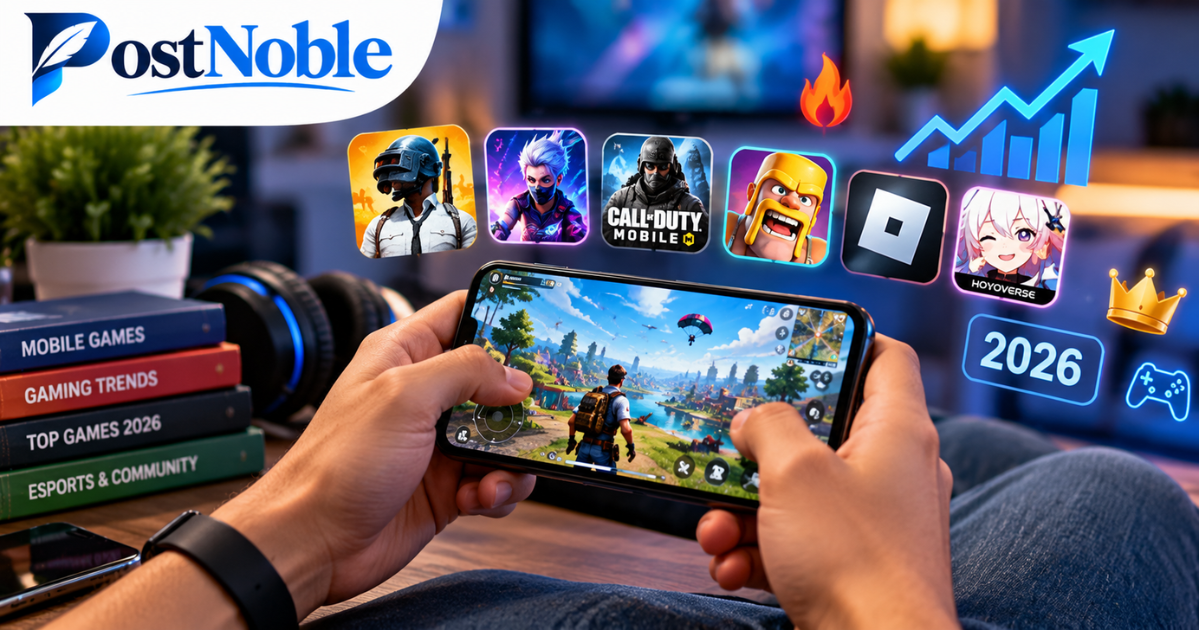
Mobile gaming has become a major part of everyday entertainment. Whether someone is playing a quick puzzle during a break, competing with friends online, or exploring a detailed virtual world, smartphones have made gaming more accessible than ever. Players no longer need an expensive gaming computer or a dedicated console to enjoy engaging experiences.
In 2026, mobile gaming continues to evolve as developers introduce better graphics, smarter features, social experiences, and new ways to play. At the same time, players are becoming more selective about the games they download. They want enjoyable gameplay, fair rewards, smooth performance, and experiences that fit their lifestyles.
For gaming enthusiasts and industry watchers, understanding the mobile gaming trends 2026 has become an important way to discover what is shaping the future of digital entertainment.
In this guide, PostNoble explores the biggest developments influencing mobile gaming, the types of games attracting attention, and the features players increasingly expect from modern mobile titles.
Why Is Mobile Gaming Still So Popular in 2026?
Convenience remains one of the biggest reasons behind mobile gaming's popularity. Most people already carry a smartphone, which means they can access games almost anywhere with an internet connection or, in some cases, without one.
Another important factor is variety. Mobile gaming offers something for almost everyone, from relaxing casual games to competitive multiplayer battles. Players can choose experiences based on their interests, available time, and preferred difficulty level.
Technology has also improved the overall experience. Modern smartphones support better displays, faster processors, and smoother gameplay than many older devices. Developers are using these capabilities to create more immersive games while continuing to serve players with affordable or entry-level phones.
However, the biggest change is not simply better technology. It is how mobile games are designed around community, personalization, convenience, and long-term engagement.
10 Mobile Gaming Trends in 2026 That Players Should Know
The following trends highlight the game formats, features, and experiences influencing mobile gaming in 2026. Rather than focusing on one particular title, this list explores the wider developments shaping what players enjoy.
1. Multiplayer Games Are Bringing Friends Together
Mobile gaming has become a social activity for many players. Multiplayer games allow friends to compete, cooperate, and communicate even when they live in different cities.
Team-based battles, cooperative missions, and online competitions make gaming more interactive than playing alone. Many titles also include friend lists, group chats, private rooms, and in-game events.
For players, these features create a reason to return regularly. A game becomes more enjoyable when there is a team to support or a friendly rivalry to continue.
2. Battle Royale Games Continue to Attract Competitive Players
Battle royale games remain an important part of the mobile gaming landscape. These games typically place multiple players in a shared arena, where survival, positioning, teamwork, and decision-making determine the outcome.
Their appeal comes from the combination of excitement and unpredictability. Each match can develop differently, encouraging players to improve their strategies and learn from previous mistakes.
Competitive mobile games also benefit from regular updates, new maps, seasonal rewards, and limited-time challenges. These additions can keep the experience interesting for established players while giving newcomers fresh content to explore.
3. Casual Games Remain Perfect for Short Breaks
Not everyone wants to spend an hour completing a mission or participating in a competitive match. Casual games continue to appeal to people who prefer simple controls, quick sessions, and easy-to-understand objectives.
Puzzle games, word challenges, match-three titles, and endless runners are popular examples of this format. Many can be enjoyed for a few minutes while waiting for transport, taking a break, or relaxing at home.
This trend highlights an important lesson for developers: a game does not need complicated mechanics to be entertaining. Clear goals, satisfying progress, and accessible gameplay can be just as effective.
4. Artificial Intelligence Is Supporting Smarter Gameplay
Artificial intelligence is becoming increasingly relevant to game development. Depending on how a title is designed, AI can help developers create more responsive opponents, adjust challenges, and improve certain aspects of player interaction.
For example, an AI-controlled opponent might react differently depending on a player's actions. In other games, intelligent systems may help personalize recommendations or support the development and testing process.
However, AI does not automatically make every game better. Players still expect balanced gameplay, reliable performance, and meaningful challenges. The most useful applications are those that improve the experience without making it feel unfair or overly complicated.
5. Cloud Gaming Is Expanding Access to Different Experiences
Cloud gaming allows compatible devices to stream games from remote servers rather than relying entirely on local hardware to run the game. This can make certain demanding gaming experiences accessible on supported smartphones.
The potential benefit is straightforward: players may be able to enjoy more advanced games without purchasing a high-end device.
Nevertheless, cloud gaming depends heavily on internet speed, connection stability, service availability, and subscription costs. It may not be suitable for every player, particularly those with limited data plans or unreliable connectivity.
As networks and streaming technology improve, cloud gaming could become a more practical option for people who want flexibility without investing in expensive hardware.
6. Cross-Platform Play Is Making Gaming More Flexible
Cross-platform gaming enables players on supported devices to play together. For example, a mobile player might join friends using a computer or console in a compatible game.
This feature helps reduce the barriers between gaming communities. Friends do not necessarily need identical devices to enjoy the same experience.
Developers must still consider differences in controls, screen sizes, and performance. A touchscreen player may have a different experience from someone using a physical controller.
When implemented fairly, cross-platform features can make multiplayer games more accessible and help communities grow beyond a single device category.
7. Personalized Rewards and Seasonal Events Encourage Engagement
Many mobile games use daily challenges, achievement systems, seasonal events, and progression rewards to give players new goals.
These features can make a game feel fresh by introducing new missions, cosmetic items, or limited-time activities. Players often appreciate rewards that recognize effort and offer visible progress.
However, there is a difference between encouraging engagement and pressuring people to play. Excessive notifications, aggressive spending prompts, and rewards that require constant attention can make gaming less enjoyable.
In 2026, thoughtful game design means balancing regular content with the player's freedom to take breaks and return whenever they want.
8. Mobile Esports Is Creating More Competitive Opportunities
Mobile esports has helped transform certain smartphone games into organized competitive experiences. Players can participate in community tournaments, online competitions, and larger events where supported games have established competitive scenes.
This development is particularly interesting for players who enjoy mastering mechanics, communicating with teammates, and competing against skilled opponents.
Streaming platforms and gaming communities also make it easier to watch matches, study strategies, and learn from experienced players.
Still, opportunities differ considerably between games and regions. Anyone interested in competitive gaming should check official tournament rules, eligibility requirements, and event schedules before participating.
9. Offline Games Still Matter for Convenience
Despite the growth of connected gaming, offline games remain useful for people who travel frequently or have limited internet access.
Offline puzzles, strategy games, racing titles, and adventure experiences can provide entertainment without requiring a continuous connection, provided the game supports offline play after installation.
This is especially relevant for commuters and travelers who may not always have reliable mobile data.
Players should check whether a title requires an initial login, periodic verification, or an internet connection for particular features. Not every game advertised as mobile-friendly can be played completely offline.
10. Fair Monetization and Player-Friendly Design Are Gaining Attention
Many mobile games are free to download but earn revenue through advertising, subscriptions, cosmetic purchases, or optional upgrades.
These business models allow developers to reach large audiences, but they also influence how players experience a game. Excessive advertising, confusing purchase systems, and pay-to-win mechanics can reduce enjoyment.
Players increasingly benefit from understanding what a game offers before spending money. Checking purchase options, privacy settings, age ratings, and independent reviews can help people make informed decisions.
Developers that prioritize transparency and balanced progression have an opportunity to build stronger relationships with their communities.
Popular Mobile Games in 2026: What Are Players Looking For?
When exploring popular mobile games in 2026, it helps to look beyond individual rankings. Popularity can vary by country, device, age group, and gaming platform, so no single list represents every player's preferences.
Instead, several game categories continue to offer distinct experiences.
- Battle royale games: Suitable for players who enjoy survival challenges, tactical decisions, and competitive matches.
- Casual puzzle games: A good choice for quick entertainment and relaxed problem-solving.
- Multiplayer strategy games: Ideal for players who like planning, teamwork, resource management, and long-term progression.
- Racing and sports games: Attractive to people who enjoy fast-paced action and familiar competitive formats.
- Role-playing games: Designed for players who appreciate character development, exploration, quests, and detailed worlds.
- Simulation games: Offer opportunities to build, manage, customize, or develop virtual environments.
- Competitive esports titles: Appeal to players who want to improve their skills and participate in organized competition.
The best game ultimately depends on personal preference. Someone who enjoys short sessions may prefer a puzzle game, while a player who values teamwork may find multiplayer games more rewarding.
PostNoble recommends evaluating gameplay, device compatibility, spending requirements, and community features before choosing a new title.
How Mobile Gaming Industry Trends Are Changing Game Development
The broader mobile gaming industry trends go beyond gameplay. Developers must consider changing player expectations, device capabilities, distribution platforms, and sustainable business models.
One major focus is accessibility. Games that offer understandable tutorials, adjustable settings, and intuitive controls can welcome a wider range of players.
Another important consideration is performance optimization. Not every player owns a premium smartphone, so developers need to balance visual quality with smooth performance across supported devices.
Community management also matters. Regular updates, responsive support, transparent communication, and fair rules can help build trust between developers and players.
Data privacy is another essential issue. Players should understand which permissions a game requests and how personal information may be used. Downloading games from trusted app stores and reviewing privacy policies can reduce avoidable risks.
Finally, responsible monetization is becoming an important part of sustainable game design. Businesses need to generate revenue while ensuring that purchases remain transparent and gameplay stays enjoyable.
These considerations show that successful mobile gaming involves much more than launching a visually impressive title. It requires creating an experience that people can trust, enjoy, and return to willingly.
Tips for Choosing the Right Mobile Game in 2026
With so many options available, choosing a game can feel overwhelming. A few practical checks can make the decision easier.
- Identify your preferred style: Decide whether you enjoy puzzles, strategy, competition, exploration, or casual entertainment.
- Check device requirements: Review storage needs, operating system compatibility, and performance expectations.
- Understand the costs: Look for in-app purchases, subscriptions, advertisements, and other potential expenses.
- Read recent reviews: Pay attention to feedback about crashes, updates, customer support, and gameplay balance.
- Consider online requirements: Determine whether the game needs constant internet access or supports offline sessions.
- Review privacy and safety settings: Check permissions, chat controls, age ratings, and available parental controls.
- Set reasonable gaming limits: Choose games that fit your routine rather than allowing daily challenges or notifications to control your schedule.
These simple steps can help players find games that match their interests without unnecessary frustration or spending.
Conclusion
Mobile gaming in 2026 is shaped by a combination of convenience, competition, social interaction, improved technology, and changing player expectations. Multiplayer experiences, casual games, AI-supported features, cloud gaming, mobile esports, and more transparent monetization are all influencing how people discover and enjoy games.
At the same time, there is no universal definition of the perfect mobile game. Some players want intense competition, while others prefer relaxing puzzles or creative simulations. The best experience is one that matches individual interests, works reliably on the device, and offers fair value.
As these mobile gaming trends 2026 continue to develop, players can expect more variety in the ways they play, connect, and explore digital worlds.
At PostNoble, our goal is to help readers understand the latest developments in gaming and make more informed choices. By staying aware of new features, checking game requirements, and prioritizing responsible play, anyone can discover mobile gaming experiences that suit their lifestyle.