
Blockchain Gaming Explained: NFTs, Digital Assets, and Play-to-Earn
Discover how blockchain gaming works, from NFT games and digital asset ownership to play-to-earn rewards. Explore its benefits, risks, and how blockchain is changing the future of online gaming.
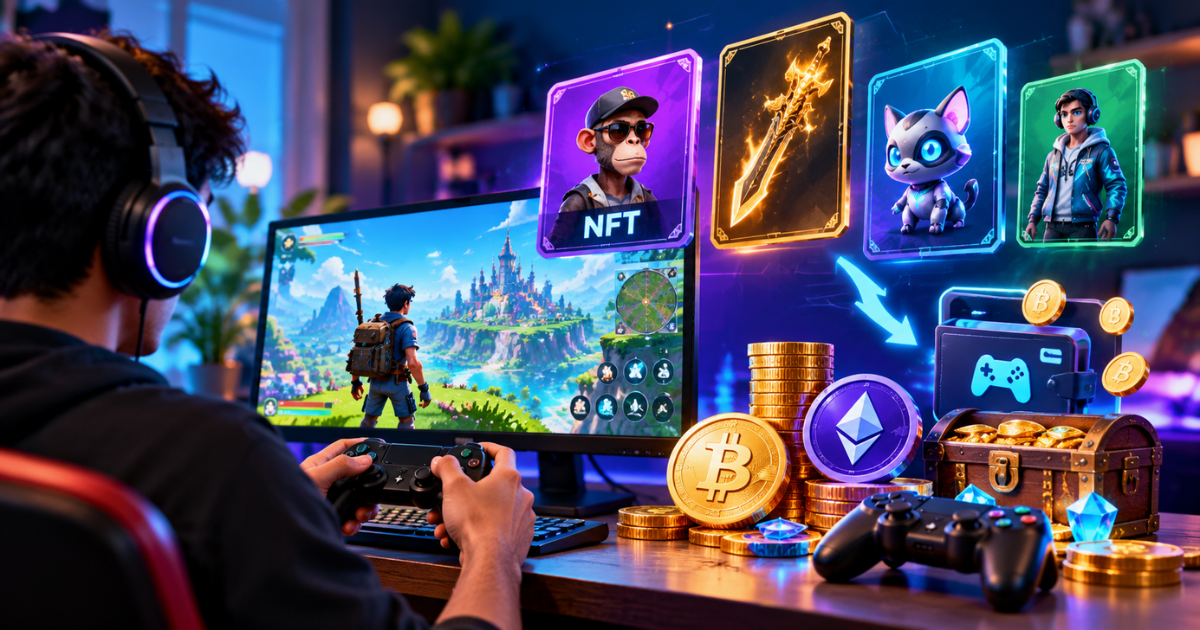
The gaming industry is constantly evolving, introducing new ways for players to interact with games, collect digital items, and participate in virtual economies. One of the most interesting developments is blockchain gaming, which combines traditional gaming experiences with blockchain technology. From owning unique digital collectibles to earning rewards through gameplay, this emerging sector is changing how people think about their in-game achievements and assets.
For beginners, however, blockchain gaming can seem complicated. Terms such as NFTs, cryptocurrencies, digital ownership, and play-to-earn gaming often raise questions about how these systems work and whether they are worth exploring.
In this guide, PostNoble explains blockchain gaming in simple language, covering its core features, benefits, potential risks, and important considerations for anyone interested in getting started.
What Is Blockchain Gaming?
Blockchain gaming refers to video games that use blockchain technology to manage certain digital assets, transactions, rewards, or other in-game activities. Unlike conventional games, where most items exist within a company's servers, blockchain-based games can allow players to own specific digital assets through blockchain records.
These assets may include characters, skins, weapons, virtual land, trading cards, or other collectibles. Depending on the game, players may be able to trade or transfer eligible assets through supported marketplaces or compatible wallets.
Traditional games can also feature valuable in-game items, but ownership and trading are generally controlled by the game publisher. Blockchain gaming introduces a different approach by recording ownership and transactions on a distributed digital ledger.
However, blockchain integration does not automatically make every game better. The quality of gameplay, fairness, security, and long-term support still matter just as much as the technology behind the experience.
How Does Blockchain Gaming Work?
Blockchain gaming combines several technologies to support digital ownership and online transactions. Although individual games use different systems, the general process is relatively straightforward.
- Blockchain networks: These networks record transactions and ownership information. Some games use dedicated gaming networks, while others operate on established blockchains.
- Digital wallets: A compatible wallet can help players manage blockchain-based assets and, in some cases, cryptocurrencies used by the game.
- Smart contracts: These are programs that execute predefined rules on a blockchain. They may manage asset transfers, marketplace transactions, or other supported activities.
- NFTs and tokens: Certain games use non-fungible tokens to represent unique assets and fungible tokens for specific in-game or economic functions.
- Marketplaces: Players may be able to buy, sell, or exchange supported digital assets through official or third-party marketplaces.
For example, imagine a fantasy adventure game where a player obtains a rare digital sword. If the game represents that sword as an NFT, its ownership may be recorded on a blockchain. The player could potentially transfer or sell it through a supported marketplace, depending on the game's rules and technical compatibility.
Not every blockchain game offers these features, and an asset recorded on a blockchain does not necessarily guarantee access to the game, future resale opportunities, or any particular financial value.
NFT Games Explained: What Players Should Know
NFT games explained in simple terms are games that use non-fungible tokens to represent distinct digital items. An NFT is a blockchain-based token that can identify a particular asset or record its ownership.
Unlike interchangeable tokens, NFTs can represent individual items with different characteristics. For instance, two digital trading cards may belong to the same collection but have different artwork, attributes, or levels of rarity.
Common examples of NFT-based gaming assets include:
- Characters and avatars: Unique characters or cosmetic appearances that players can collect.
- Weapons and equipment: Digital items used to customize characters or support gameplay.
- Virtual land: Parcels within supported virtual worlds that may have building or customization functions.
- Collectible cards: Digital cards with individual attributes or varying levels of rarity.
- Cosmetic items: Skins, outfits, accessories, and other visual enhancements.
The most important point is that NFT ownership has limits. A player may own a token representing an item without owning the game's artwork, software, or intellectual property. The ability to use the item also depends on the developer's rules and the game's continued operation.
Before buying an NFT, players should check its actual utility, associated fees, transfer restrictions, and the terms governing its use.
What Is Play-to-Earn Gaming?
Play-to-earn gaming is a model in which players can receive digital rewards for participating in a game or completing specific activities. These rewards may include cryptocurrencies, tokens, NFTs, or other digital assets.
Depending on the game, players might earn rewards by completing missions, winning competitions, participating in events, collecting items, or contributing to a virtual economy.
The concept became popular because it offered an alternative to gaming models in which players spend money on entertainment without receiving transferable assets.
However, play-to-earn gaming does not guarantee income. Rewards can fluctuate in value, earning opportunities may change, and some games require upfront purchases. Players may also face transaction fees, marketplace costs, or other expenses.
A game that advertises attractive rewards may still provide an unreliable experience if its economy depends on continuous new spending or an unsustainable supply of new players.
For this reason, beginners should choose games based on their entertainment value rather than treating them as guaranteed sources of money.
Key Benefits of Blockchain Gaming
Blockchain gaming offers several potential advantages when its features are implemented effectively.
1. Greater Control Over Digital Assets
Some blockchain games give players control over tokens representing their in-game items. Depending on the system, players may be able to store, transfer, or sell these assets without relying entirely on an in-game account.
This can provide more flexibility than traditional games where items are restricted to a publisher's platform.
2. Transparent Transaction Records
Public blockchains can make certain transactions and ownership records independently verifiable. This may help players check asset histories or confirm whether a transaction has been recorded.
Nevertheless, transparency does not eliminate scams, fraudulent projects, or misleading marketplace listings.
3. New Trading Opportunities
Supported digital marketplaces allow players to trade certain collectibles and other assets. Items obtained during gameplay may have value to other players who want to use or collect them.
The actual demand for these items depends on their usefulness, scarcity, community interest, and the game's long-term popularity.
4. New Game Economy Models
Developers can experiment with player trading, digital collectibles, token-based rewards, and community participation. These systems may create new ways for players to interact with virtual worlds.
Their success still depends on thoughtful economic design and a game that people genuinely enjoy playing.
Challenges and Risks of Blockchain Gaming
Despite its potential, blockchain gaming comes with important challenges. Understanding them can help beginners make more informed decisions.
1. Financial Volatility
Tokens and NFTs may experience significant price changes. An asset purchased for a certain amount could lose much of its value if demand falls or the game becomes less popular.
Players should never assume that digital collectibles will appreciate over time.
2. Scams and Security Threats
Fraudulent websites, fake marketplaces, phishing messages, and malicious wallet connections can put digital assets at risk. Scammers may also promote fake giveaways or promise unrealistic earnings.
Never share your wallet's recovery phrase or private keys. Verify official links and carefully review wallet permissions before approving transactions.
3. High Fees and Technical Complexity
Some blockchain transactions involve network fees, while wallet setup and asset management can be confusing for new users.
Transaction costs vary across networks and platforms. Beginners should understand these expenses before purchasing assets or transferring tokens.
4. Uncertain Game Longevity
A blockchain record may continue to exist even if the game closes. However, the asset might become unusable if the developer shuts down the servers or stops supporting the relevant features.
Players should examine the project's development activity, community, support policies, and dependency on centralized services.
5. Unbalanced Game Economies
Poorly designed reward systems can encourage speculation instead of enjoyable gameplay. If rewards depend heavily on constant new investment, the economy may become difficult to sustain.
A healthy gaming experience should not require players to take unnecessary financial risks.
How Beginners Can Get Started With Blockchain Gaming
Getting started does not have to involve a large investment. A cautious approach can help beginners understand the technology while avoiding common mistakes.
- Choose a game with enjoyable gameplay. Look for clear rules, useful tutorials, and a gameplay style that matches your interests.
- Research the developer and project. Review official documentation, community feedback, update history, and the game's asset policies.
- Understand the wallet requirements. Find out whether the game requires a wallet and which blockchain networks it supports.
- Start with free or low-cost options. If available, explore free gameplay before purchasing NFTs or tokens.
- Review all transaction costs. Check network fees, marketplace charges, and any costs associated with withdrawing or transferring assets.
- Protect your account and wallet. Use strong security practices, verify websites, and never share confidential wallet information.
- Set a spending limit. Only use money you can afford to lose, and avoid borrowing funds to purchase gaming assets.
- Focus on the experience. Consider whether the game remains enjoyable without financial rewards. This is a useful way to judge its value beyond speculation.
Blockchain Gaming vs. Traditional Gaming
Traditional gaming and blockchain gaming can both offer engaging experiences, but their approaches to digital assets may differ.
Traditional games generally manage items through publisher-controlled accounts and servers. Players can often unlock, purchase, or customize items, but their ability to transfer or resell them is usually limited by the game's policies.
Blockchain games may offer additional ownership and trading options for certain assets. Transactions can be recorded on a blockchain, and compatible assets may sometimes be transferred outside the game's own marketplace.
However, blockchain gaming can introduce additional complexity, fees, wallet security responsibilities, and financial risks. Traditional games may provide a simpler experience for players who want to focus entirely on entertainment.
Neither approach is automatically superior. The best choice depends on what a player values, whether that means immersive gameplay, social interaction, customization, or digital asset ownership.
The Future of Blockchain Gaming
The future of blockchain gaming will likely depend on whether developers can make the technology useful without making games unnecessarily complicated.
Potential developments include smoother wallet integration, improved transaction speeds, more accessible marketplaces, and better connections between digital assets and gameplay. Developers may also explore optional blockchain features that allow players to enjoy a game without needing to understand cryptocurrency.
At the same time, sustainable reward systems and strong consumer protections will remain important. Games that prioritize genuine entertainment, transparent rules, and responsible asset management may be better positioned to attract long-term players.
Interoperability, or the ability to use assets across different games, remains an important goal but is not universally available. Different games use different technical standards, and developers must explicitly support compatibility for assets to work across their platforms.
For newcomers, it is worth watching how these features develop rather than assuming every project will succeed.
Final Thoughts
Blockchain gaming brings together video games, digital ownership, NFTs, and new approaches to online rewards. It can create opportunities for collecting, trading, and participating in virtual economies, but it also introduces risks that traditional gaming may not involve.
Understanding how blockchain networks, digital wallets, NFTs, and play-to-earn gaming work can help players make better decisions. Before investing money or purchasing digital assets, beginners should investigate the game, understand its fees, and review its security practices.
At PostNoble, our goal is to make emerging digital trends easier to understand. Whether you are exploring NFT games for the first time or learning about blockchain-based rewards, remember that enjoyable gameplay, reliable security, and informed decisions matter more than promises of quick profits.