
Online Gaming Safety: How to Identify Fake Gaming Websites
Learn how to identify fake gaming websites, recognize common online scams, protect your personal information, and follow essential online gaming safety tips for a safer gaming experience.
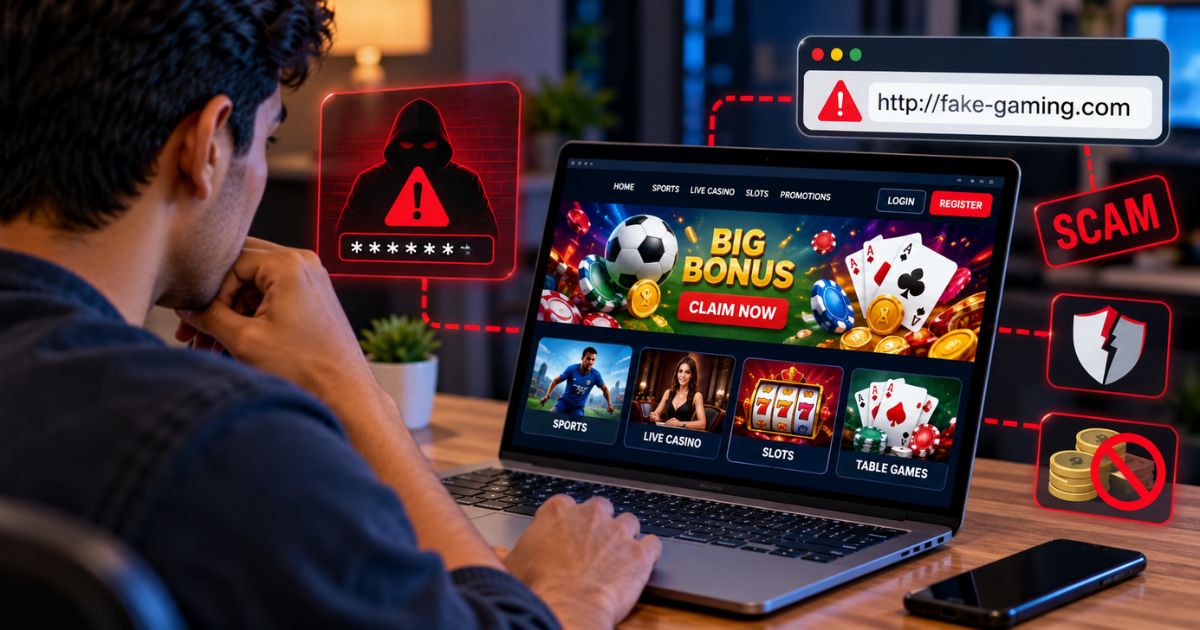
Online gaming has become a popular way to relax, compete with friends, explore new challenges, and connect with players worldwide. From casual mobile games to multiplayer adventures and esports competitions, there are plenty of options for people with different interests and skill levels. However, as online gaming continues to grow, fake gaming websites and online scams are also becoming more common.
Some fraudulent websites look almost identical to legitimate gaming platforms. They may advertise attractive rewards, free bonuses, exclusive games, or special promotions to encourage visitors to register or share personal information. Unfortunately, clicking the wrong link or trusting an unverified website can expose players to financial loss, account theft, and privacy risks.
This is why online gaming safety should be a priority for every player, whether they are new to gaming or have years of experience.
At PostNoble, we believe that informed players can make better decisions online. Understanding the warning signs of fraudulent platforms is an important step toward enjoying games with greater confidence. In this guide, you will learn how to identify fake gaming websites, recognize common warning signs, and follow practical safety measures to protect your accounts and personal information.
Why Online Gaming Safety Matters
Online gaming involves more than simply downloading a game or creating an account. Depending on the platform, players may share email addresses, usernames, payment details, and other personal information. Some websites also request permissions or encourage users to install additional software.
Fraudulent operators may take advantage of this information to steal accounts, spread malicious software, or trick users into making payments. Even a website that looks professional may not be trustworthy.
The good news is that you do not need advanced technical knowledge to recognize many common warning signs. A few simple checks can help you make more informed choices before registering, downloading a file, or spending money.
10 Ways to Identify Fake Gaming Websites
The following checklist brings together practical steps that players can use to evaluate a gaming website before trusting it.
1. Check the Website Address Carefully
One of the easiest ways to identify a suspicious gaming website is to examine its URL. Scam websites often use addresses that resemble the names of popular gaming brands but include extra words, unusual characters, spelling mistakes, or different domain endings.
For example, a fraudulent website might use a slightly altered version of a familiar brand name to make visitors believe they are visiting the official platform.
Before entering your login details, check the spelling of the domain and compare it with the address published on the game's official website or verified social media account.
A website using HTTPS is not automatically safe. HTTPS encrypts the connection, but scammers can also obtain secure certificates. Always check the website's identity rather than relying on the padlock symbol alone.
2. Look for Clear Contact Information
Legitimate gaming businesses generally provide ways for users to contact their support teams. Depending on the platform, this may include an official support page, a contact form, a business email address, or a help centre.
Be cautious if a website offers no meaningful contact information or provides details that appear copied, incomplete, or inconsistent.
You can also check whether the company's name and contact details match information published through its official channels.
A missing phone number does not automatically mean a website is fraudulent, since many online services provide support primarily through digital channels. However, the absence of any credible way to resolve problems is a reason to investigate further.
3. Be Careful with Unrealistic Rewards and Bonuses
Free rewards are common in gaming, but scammers frequently use unbelievable offers to attract visitors.
You might see advertisements promising unlimited game credits, guaranteed prizes, expensive gaming equipment, or large bonuses simply for creating an account. Some websites may claim that an offer expires within minutes to pressure users into acting quickly.
Take a moment to question these promises. If a reward seems unusually generous, look for the terms and conditions and verify the offer through the game's official channels.
Never provide payment details, passwords, or sensitive personal information simply to claim a reward that you have not verified.
4. Read Independent Reviews and Player Feedback
Reviews can help you understand other players' experiences with a gaming website. Search for the platform's name alongside terms such as complaints, withdrawal problems, account security, or scam reports.
Look beyond the overall rating. Detailed reviews that explain specific experiences are often more useful than short comments that offer no supporting information.
Be aware that reviews can be manipulated. Fake websites may publish positive testimonials, while competitors may post misleading negative comments. A large number of similar reviews published within a short period can also deserve closer examination.
Compare information from several independent sources before deciding whether to trust a platform.
5. Verify Downloads Before Installing Anything
Some fake gaming websites encourage visitors to download unofficial applications, game launchers, browser extensions, or software updates. These downloads may contain malware or programs designed to collect sensitive information.
Whenever possible, download games through official websites or trusted app stores. Check the developer's name, app details, permissions, and available security information before installing an application.
Avoid downloading files from unfamiliar links shared through pop-ups, unsolicited messages, or unofficial gaming forums.
If a website asks you to disable your antivirus software or ignore a security warning to install a game, treat that request as a serious warning sign.
6. Examine the Privacy Policy and Terms of Service
A trustworthy gaming platform should explain how it handles user information and what rules apply to its services.
Before signing up, look for a privacy policy that describes the information collected, how it is used, and whether it is shared with other parties. The terms of service should also explain important account rules and the responsibilities of users and the platform.
Be cautious if these documents are missing, copied from unrelated websites, or written in a way that does not explain the platform's practices.
A privacy policy alone cannot prove that a website is legitimate. However, clear and consistent policies provide useful information when combined with other checks.
7. Protect Your Passwords and Login Details
Your gaming account may contain personal messages, saved progress, purchased items, or payment information. Losing access to it can be frustrating and potentially expensive.
Use a unique password for each gaming account. Avoid reusing the password associated with your email account or other important services.
Where available, enable two-factor authentication or a passkey for additional protection. These security features can make it harder for someone to access your account even if your password is exposed.
Never share one-time passwords, recovery codes, or login credentials with someone claiming to be a game administrator or customer support representative.
Remember that genuine support teams should not need your password to help resolve an ordinary account issue.
8. Check Payment Methods and Financial Requests
Some fraudulent gaming websites attempt to collect payments through suspicious methods or create unnecessary obstacles when users request refunds.
Before paying for a game, subscription, or digital item, review the available payment methods and confirm that the transaction is taking place through a legitimate payment process.
Be especially careful if an unfamiliar website demands cryptocurrency transfers, gift cards, or direct payments to personal accounts without a clear explanation.
For real-money gaming platforms, additional checks may be necessary. Verify whether the operator is properly licensed for the relevant activity and jurisdiction, and read the applicable rules before depositing funds.
Do not assume that a website is trustworthy simply because it displays familiar payment logos. When possible, use a payment method that offers appropriate transaction alerts and dispute protections.
9. Watch Out for Suspicious Pop-Ups and Urgent Messages
Fake gaming websites may display alarming messages such as account suspension warnings, security alerts, or claims that you have won a valuable prize.
These messages may encourage you to click a link, download a file, or enter your login details immediately.
Instead of following the message, open the game's official website or application separately and check your account notifications there.
Be suspicious of unexpected requests to install remote-access software, share your screen, or provide a verification code. Such requests may be attempts to take control of your device or account.
Closing the suspicious page and avoiding its links is generally safer than interacting with its pop-ups.
10. Confirm Licensing and Official Partnerships Where Relevant
Not every gaming website requires the same type of licence. A casual puzzle game, a multiplayer gaming community, and a real-money gaming service may operate under different rules.
For services that require regulatory approval, check the relevant regulator's official website to confirm the operator's name, licence status, and permitted activities.
Do not rely solely on a licence logo or certificate displayed on the gaming website. Fraudulent operators may copy these images or use details belonging to another business.
If you are unsure whether a particular service is legally permitted in your location, consult the applicable local rules before creating an account or making a payment.
Safe Online Gaming Tips Everyone Should Follow
Recognizing fraudulent websites is important, but everyday habits also play a major role in keeping your gaming experience secure.
Here are some practical safe online gaming tips you can follow:
- Keep your software updated: Install operating system, browser, antivirus, and game updates from trusted sources.
- Use two-factor authentication: Add an extra layer of protection to accounts that support it.
- Avoid public Wi-Fi for sensitive transactions: If you must use a public network, avoid entering payment details unless you can establish a trustworthy connection.
- Limit personal information: Do not publicly share your home address, phone number, financial details, or other sensitive information.
- Review app permissions: A simple game should not normally need access to unrelated features or sensitive data.
- Set spending limits: Decide how much you can comfortably spend before purchasing games, subscriptions, or digital items.
- Talk to trusted people: If an offer or message seems suspicious, ask someone you trust before responding.
- Report suspicious activity: Use the platform's official reporting tools and relevant consumer-protection or cybercrime channels.
These habits are useful for both beginners and experienced players. Online threats can affect anyone, regardless of gaming experience.
What Should You Do If You Visit a Fake Gaming Website?
If you suspect that you have interacted with a fraudulent gaming platform, act quickly. The right response depends on the information you shared and the actions you took.
First, stop interacting with the website. Do not download additional files, send more money, or respond to suspicious messages.
If you entered your password, change it immediately through the genuine service's official website or application. If you reused that password elsewhere, update those accounts as well. Enable additional authentication where possible.
If you shared financial information or made a payment, contact your bank or payment provider through its official contact details. Explain what happened and ask about available security measures or dispute options.
If you downloaded a suspicious file, disconnect the device from the internet if you suspect an active compromise and run a reputable security scan. Seek technical assistance if unusual activity continues.
Finally, save relevant evidence, such as transaction records, website addresses, messages, and screenshots. Report the incident to the legitimate gaming platform and the appropriate local cybercrime authority.
Taking action promptly may help reduce further harm, although recovery is not always guaranteed.
Conclusion
Online gaming should be an enjoyable experience, not a source of unnecessary stress or security risks. Unfortunately, fake gaming websites can appear convincing, making it important to look beyond attractive designs, exciting offers, and impressive claims.
The best approach to online gaming safety is to verify website addresses, research unfamiliar platforms, protect login credentials, review payment requests, and download software only from trusted sources. No single check can guarantee that a website is safe, but several careful checks together can significantly improve your ability to identify potential threats.
At PostNoble, we encourage players to stay informed, think before clicking, and make security part of their everyday gaming habits. Whether you are exploring a new multiplayer game or considering an unfamiliar gaming service, taking a few minutes to verify its credibility can make a meaningful difference.
Play smart, protect your information, and never let an attractive offer replace a careful security check.