
Online Gaming Guide: How to Choose the Best Games for Beginners
Learn how to choose the best online games for beginners with this easy gaming guide. Explore different game genres, understand essential features, and discover tips for a safe and enjoyable gaming experience.
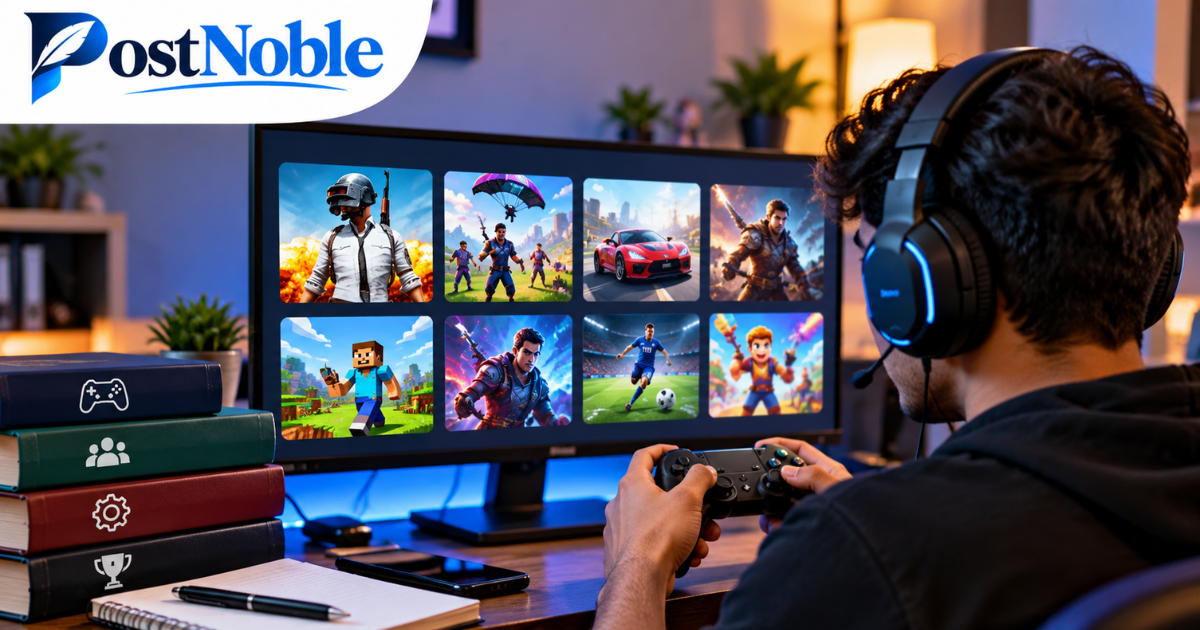
Online gaming has become one of the most popular ways to relax, have fun, and connect with people around the world. From casual mobile games to multiplayer adventures and strategy-based challenges, there are countless options available for players of every age and experience level. However, if you are new to gaming, choosing the right game can sometimes feel confusing.
With so many genres, platforms, controls, and features to explore, beginners may not know where to start. Some games require quick reactions, while others focus on creativity, teamwork, or problem-solving. The good news is that you do not need expensive equipment or years of experience to enjoy gaming.
This online gaming for beginners guide will help you understand different types of games, identify your preferences, and make a confident choice. At PostNoble, our goal is to make discovering online gaming easier by sharing practical information that helps new players get started.
What Is Online Gaming?
Online gaming refers to playing video games through an internet connection. Players can compete against others, cooperate with friends, or explore virtual worlds with people from different locations.
Online games are available on several platforms, including smartphones, computers, gaming consoles, and web browsers. Some can be played in just a few minutes, while others offer longer missions, competitive matches, or detailed storylines.
Common types of online games include:
- Casual games: Simple games designed for short and enjoyable sessions.
- Multiplayer games: Games that allow several players to participate together.
- Strategy games: Games that involve planning, decision-making, and resource management.
- Adventure games: Experiences that focus on exploration, missions, and storytelling.
- Puzzle games: Challenges that test logic, memory, and problem-solving skills.
- Sports and racing games: Digital versions of popular sports, driving experiences, and competitions.
Understanding these categories is a useful first step because the right game depends on your interests, available time, and comfort level.
How to Choose the Best Online Games for Beginners
Finding a suitable game is easier when you consider a few important factors before downloading or playing it. Instead of selecting a popular title simply because everyone else is playing it, focus on what makes gaming enjoyable for you.
1. Start With Your Personal Interests
The easiest way to begin gaming is to choose something you already enjoy.
If you like solving problems, puzzle and strategy games may be a good fit. If you enjoy sports, you might prefer football, basketball, or racing games. Players who like exploring new places may enjoy adventure games, while those who want quick entertainment can try casual mobile games.
There is no single best game for every beginner. The right choice is the one that keeps you interested without making you feel overwhelmed.
Try two or three different genres before deciding which one suits your personality and playing style.
2. Choose a Game With Simple Controls
Complicated controls can make a new game frustrating, especially when you are still learning how gaming works.
Look for games that offer tutorials, practice modes, helpful instructions, or adjustable difficulty settings. These features allow you to understand the basic mechanics before entering competitive matches.
Mobile games can be a convenient starting point because many use straightforward touchscreen controls. Computer and console games can also be beginner-friendly when they provide clear instructions and gradual learning levels.
Remember that every experienced gamer was once a beginner. Take your time and learn the controls at your own pace.
3. Consider Your Gaming Device
Before choosing a game, think about the device you already own.
Smartphones: Mobile gaming is convenient because you can play almost anywhere. Many games are free to download, although some include optional purchases or advertisements.
Computers and laptops: PC gaming offers a wide range of casual, strategy, simulation, and multiplayer experiences. However, certain games may require better hardware or additional software.
Gaming consoles: Consoles provide dedicated gaming experiences and controller-based gameplay. They may involve a higher initial cost, along with possible subscription expenses.
Web browsers: Browser-based games can be useful for beginners who want to try simple games without installing large applications.
Choose a platform that fits your budget and everyday routine rather than spending money on new equipment immediately.
4. Check the Difficulty Level
Some games introduce new mechanics gradually, while others expect players to understand complex rules from the beginning.
As a beginner, look for titles with introductory levels, helpful hints, practice sessions, or a range of difficulty options. These features make it easier to improve without feeling pressured.
You can move toward more challenging games as your confidence grows. Starting with a manageable level helps you build useful skills, including timing, coordination, strategic thinking, and decision-making.
5. Look at Reviews and Community Feedback
Before spending money or creating an account, read recent reviews and check what other players say about the game.
Pay attention to comments about controls, performance, beginner support, advertisements, in-game purchases, and multiplayer experiences. Reviews can help you identify potential problems before investing your time.
You can also explore beginner tutorials and gameplay videos to understand how a game works.
However, popularity does not always mean a game will suit you. Use reviews as guidance, then make your decision based on your own preferences.
Best Online Games for Beginners: Popular Categories to Explore
If you are unsure which game to try first, exploring beginner-friendly categories can help you narrow your choices.
Casual and Puzzle Games
Casual games are ideal for people who want simple entertainment without a major time commitment. Puzzle games, matching challenges, and word games are often easy to understand and can be played during short breaks.
These games may also encourage concentration, pattern recognition, and logical thinking. They are particularly suitable for players who prefer relaxed experiences instead of intense competition.
Cooperative Multiplayer Games
Cooperative games allow players to work together toward a shared objective. Depending on the title, you might complete missions, solve puzzles, build virtual environments, or overcome challenges as a team.
These games can be a good choice if you want to play with friends or meet other players through shared interests.
Beginners should look for games with supportive communities and clear teamwork mechanics. Playing with friends who are willing to explain the rules can make the experience more enjoyable.
Simulation and Building Games
Simulation games recreate activities such as managing a farm, designing a home, operating a business, or building a virtual world.
Many of these games offer flexible objectives and encourage experimentation. They can be especially appealing to players who enjoy creativity, organization, and gradual progress.
Some simulation games are available offline, while others include online multiplayer features. Check the game's requirements before choosing one.
Sports and Racing Games
Sports and racing games are worth exploring if you enjoy football, basketball, motorsports, or similar activities.
Some titles provide training modes, simple controls, and beginner difficulty settings. These options help you learn the mechanics before competing against experienced players.
Start with practice sessions and avoid worrying too much about winning. Understanding the rules and improving your performance are more valuable during your first few gaming sessions.
Strategy and Adventure Games
Strategy games encourage players to plan ahead, manage resources, and make decisions. Adventure games often focus on exploration, missions, and storytelling.
Both categories can offer rewarding experiences, although some titles have complicated mechanics. Beginners should look for games with guided introductions and gradual progression.
A Beginner Gaming Guide to Playing Safely
Enjoying online games is not just about choosing an entertaining title. It is also important to protect your privacy, manage spending, and maintain a healthy balance between gaming and other activities.
Protect Your Personal Information
Use a strong, unique password for your gaming account and enable additional account security when available.
Avoid sharing your home address, phone number, passwords, financial information, or other sensitive details with strangers. Be cautious when clicking links shared by unknown players.
If a game includes chat features, review its privacy settings and use blocking or reporting tools when necessary.
Understand In-Game Purchases
Many online games are free to start but offer optional purchases, cosmetic items, subscriptions, or additional content.
Read the payment details carefully before buying anything. Set a spending limit and check whether purchases are refundable. Parents and guardians should also review payment settings and age ratings for younger players.
Be especially cautious of websites or players promising guaranteed rewards, free currency, or unusually valuable items in exchange for account details or payments.
Choose Games Appropriate for Your Age
Check the game's age rating, content descriptions, and community features before playing.
Some online games include mature themes, public voice chat, or competitive environments that may not be suitable for everyone. Choosing age-appropriate games helps create a more comfortable experience.
Maintain a Healthy Gaming Routine
Gaming should fit into your life rather than take over your daily schedule.
Take regular breaks, stretch, rest your eyes, and make time for sleep, physical activity, studies, work, and relationships. If a game begins to feel stressful instead of enjoyable, stepping away for a while can help.
A balanced routine makes gaming a more sustainable hobby.
Common Mistakes Beginners Should Avoid
New players sometimes make avoidable mistakes when entering the gaming world. Keeping a few simple points in mind can make the learning process easier.
- Choosing games only because they are popular: A trending game may not match your interests or skill level.
- Spending money too quickly: Try free versions or demos when available before purchasing premium content.
- Expecting immediate success: Learning controls and strategies takes practice.
- Ignoring tutorials: Introductory lessons can save time and help you understand important features.
- Comparing yourself with experienced players: Focus on your own improvement instead of someone else's performance.
- Ignoring privacy settings: Review account security, chat controls, and permissions before interacting online.
- Playing for too long without breaks: Set reasonable limits and maintain a balanced schedule.
Avoiding these habits can help you develop confidence while keeping your experience enjoyable and secure.
How to Improve Your Gaming Skills
Once you find a game you enjoy, concentrate on learning one skill at a time. Start by understanding the rules, controls, and main objectives. Then practice regularly in short sessions.
Watch beginner tutorials when you need help, experiment with different strategies, and learn from mistakes instead of treating every loss as a failure.
If the game has a friendly community, consider asking questions or playing with more experienced friends. Constructive feedback can help you improve faster.
Most importantly, measure progress by what you learn rather than how quickly you win. Even small improvements can make gaming more rewarding.
Conclusion
Choosing your first online game does not have to be difficult. By understanding different gaming categories, considering your device and budget, and starting with simple controls, you can discover experiences that match your interests and skill level.
The best online games for beginners are not necessarily the most popular or competitive titles. They are the games that help you learn comfortably, enjoy your time, and develop confidence as you play.
Follow this beginner gaming guide to explore your options, protect your account, manage spending, and maintain a healthy gaming routine. Start small, experiment with different genres, and give yourself time to improve.
At PostNoble, we believe that useful information makes it easier to explore the digital world with confidence. Whether you are interested in casual entertainment, multiplayer adventures, sports games, or creative simulations, the right starting point is one that makes gaming fun, safe, and accessible.