
How to Build a Smart Gaming Budget and Avoid Overspending
Learn how to manage your gaming budget, track gaming expenses, and avoid overspending. Discover practical tips to enjoy your favorite games while keeping your spending under control.
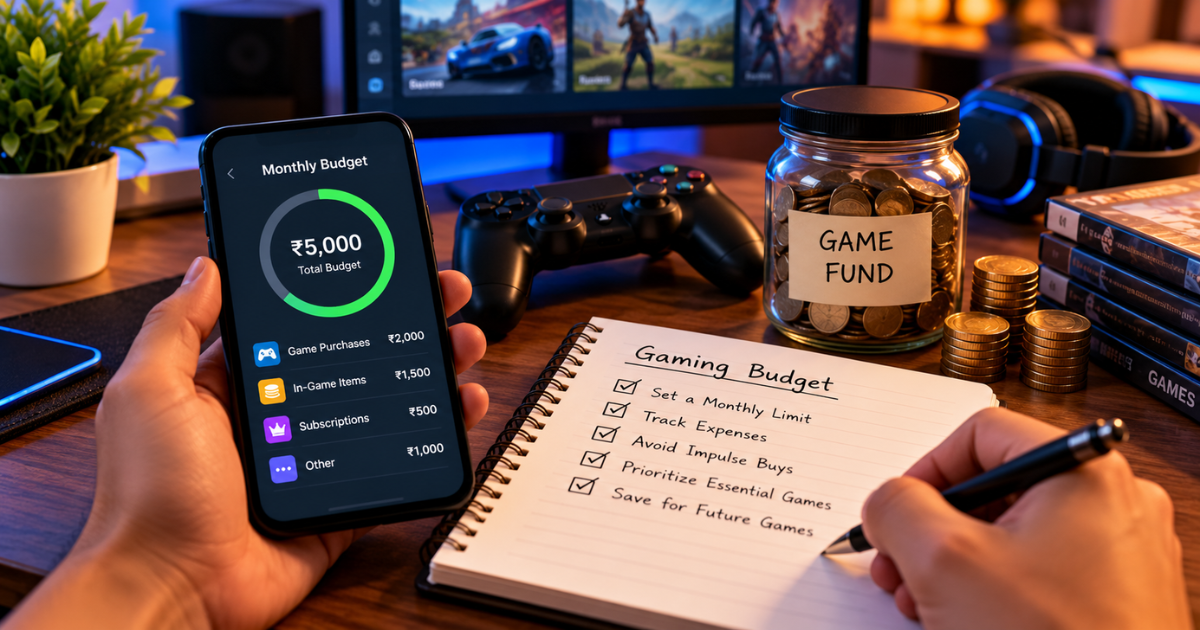
Gaming has become more than just a way to pass the time. For many people, it is a hobby, a way to connect with friends, and an opportunity to explore exciting virtual worlds. From mobile games and PC titles to console adventures and multiplayer experiences, there are plenty of ways to enjoy gaming. However, the cost of gaming can increase quickly when players purchase new releases, subscribe to gaming services, buy in-game items, or spend money on optional upgrades.
The good news is that enjoying games does not have to put pressure on your finances. With a practical plan, you can enjoy your favorite titles while keeping your spending under control. This is where gaming budget management becomes important.
At PostNoble, we believe that a better gaming experience starts with informed decisions. Learning how to plan your gaming expenses can help you avoid unnecessary purchases, make smarter choices, and enjoy your hobby without financial stress.
Why Gaming Budget Management Matters
Many gaming expenses seem small when considered individually. A discounted game here, a cosmetic upgrade there, or a monthly subscription may not appear expensive. However, these purchases can add up over time, especially when several gaming platforms and services are involved.
For example, purchasing multiple games during a seasonal sale might feel like a great deal. Yet, if those games remain untouched in your library, the money could have been used more effectively elsewhere.
A gaming budget helps you understand where your money goes and decide how much you can comfortably spend. It also encourages you to prioritize the games and experiences you genuinely enjoy instead of making purchases simply because they are available.
The objective is not to stop spending money on gaming altogether. Instead, it is to create a balance between entertainment and other financial responsibilities.
7 Practical Tips to Build a Smart Gaming Budget and Avoid Overspending
1. Set a Realistic Monthly Gaming Budget
The first step toward controlling gaming expenses is deciding how much money you can afford to spend each month. Your budget should fit your personal financial situation rather than the spending habits of other players.
Start by reviewing your monthly income and essential expenses, including food, housing, transportation, bills, savings, and other commitments. Once these priorities are covered, determine a reasonable amount for entertainment.
For example, you might decide to allocate ₹1,000 per month to gaming. This amount could cover game purchases, subscriptions, downloadable content, and optional in-game items. If your circumstances change, you can adjust the limit accordingly.
The most important rule is to treat your gaming allowance as a fixed limit, not a target you must spend.
Understanding how to set a gaming budget makes it easier to enjoy games without repeatedly wondering whether a purchase is affordable.
2. Track Every Gaming Expense
A budget becomes more effective when you know exactly where your money is going. Many players remember major purchases but overlook smaller transactions that accumulate over time.
Keep a simple record of your gaming expenses. You can use a spreadsheet, a budgeting app, or a notebook to track purchases and subscriptions.
Include expenses such as:
- Full-price and discounted game purchases
- Monthly or annual gaming subscriptions
- Downloadable content and expansion packs
- In-game currencies, skins, and cosmetic items
- Gaming accessories and equipment
- Optional premium memberships
At the end of each month, review your spending and compare it with your original budget.
This habit helps you identify patterns. You might discover that subscriptions consume most of your allowance or that frequent small purchases cost more than buying a complete game. Once you understand your spending habits, you can make adjustments that suit your needs.
3. Separate Gaming Money from Essential Expenses
Gaming should remain an enjoyable activity rather than a source of financial pressure. One effective way to maintain that balance is to separate entertainment spending from essential expenses.
Pay your necessary bills and account for savings before setting aside money for gaming. Never depend on money intended for rent, groceries, education, debt payments, or emergency savings to finance entertainment purchases.
If you receive a monthly allowance, salary, or other regular income, consider creating a separate category for gaming in your budget. You do not necessarily need a separate bank account; a clearly defined amount in your budget may be enough.
When your gaming allowance runs out, wait until the next budgeting period instead of borrowing from another category.
This simple boundary helps you enjoy games with greater peace of mind and reduces the temptation to spend money that you need for everyday life.
4. Compare Prices Before Buying Games
A new release can be tempting, especially when friends are already playing it. However, buying immediately is not always the best decision.
Take time to compare prices across authorized digital stores, official gaming platforms, and reputable retailers. Look for seasonal sales, publisher promotions, bundles, and legitimate discount offers.
Before purchasing a game, consider whether you will play it immediately or whether it can wait for a future sale. Reading reviews and checking gameplay footage can also help you determine whether the title matches your interests.
It is equally important to distinguish between a genuine discount and a purchase you never planned to make. Saving 40% on a game you do not need is still spending money.
Create a wishlist of games you genuinely want to play. When a title becomes affordable within your budget, you can make a more informed decision rather than purchasing it impulsively.
5. Be Careful with In-Game Purchases
Many games offer optional purchases, including character skins, virtual currencies, battle passes, cosmetic upgrades, and special bundles. Although these features can make a game more personalized, they can also encourage repeated spending.
One of the most useful tips to avoid gaming overspending is to establish a separate limit for optional in-game purchases.
For instance, if your monthly gaming budget is ₹1,000, you might reserve ₹200 for optional items and use the remaining amount for other planned expenses. These figures are only examples; choose amounts that fit your financial circumstances.
Before purchasing an item, ask yourself three questions:
- Will this purchase genuinely improve my gaming experience?
- Do I still want it after taking some time to think?
- Can I afford it without exceeding my budget?
Avoid buying virtual items simply because they are available for a limited time. Be particularly cautious with randomized reward systems, loot boxes, and purchases that encourage repeated transactions.
If a game makes spending difficult to control, disable saved payment details, set purchase restrictions, or take a break from its store.
6. Review Gaming Subscriptions Regularly
Gaming subscriptions can provide good value when you use their benefits consistently. However, paying for several services at the same time may become unnecessary if you only play a few games regularly.
Review every active subscription at least once a month. Check the renewal date, the amount charged, and whether you have used the service recently.
Ask yourself whether each subscription still provides enough value to justify its cost. If you have stopped playing the games included in a service, consider cancelling or pausing it where possible.
Annual plans may offer lower monthly costs, but paying for an entire year is not automatically the better choice. Make sure you will use the service long enough to benefit from the commitment.
Also, check whether a subscription renews automatically and understand its cancellation terms before signing up.
Managing recurring expenses can free up part of your gaming budget for titles and experiences you actually enjoy.
7. Create a Waiting Rule for Impulse Purchases
Impulse buying is one of the easiest ways to exceed a gaming budget. A limited-time offer, an exciting trailer, or a recommendation from friends can create pressure to purchase something immediately.
A waiting rule helps you slow down and evaluate your decision.
For smaller purchases, wait at least 24 hours. For expensive games, accessories, or gaming equipment, consider waiting several days or a week.
During this period, check your remaining budget, compare alternatives, and think about whether the purchase fits your current priorities.
You can also maintain a wishlist and review it on a fixed day each month. This gives you time to separate genuine interests from temporary excitement.
If you still want the item after waiting and can afford it within your budget, the purchase is more likely to be a deliberate choice.
Common Gaming Budget Mistakes to Avoid
Even with a budget, certain habits can make financial planning difficult. Being aware of them can help you maintain better control.
Spending because of peer pressure: Friends may purchase new games or premium upgrades, but their spending decisions do not need to influence yours. Choose games based on your interests and financial situation.
Ignoring small transactions: Frequent low-cost purchases can accumulate. Track them alongside larger expenses instead of assuming they have little impact.
Buying games you rarely play: A large game library may look impressive, but unused purchases offer limited value. Prioritize games you have time and interest to enjoy.
Using credit for unnecessary gaming purchases: Avoid taking on debt for optional entertainment, particularly when you cannot comfortably repay it.
Treating the budget as flexible whenever temptation appears: Regularly increasing your limit defeats its purpose. If you need to revise your budget, do so thoughtfully after reviewing your finances rather than during an impulsive purchase.
How to Maintain Your Gaming Budget Over Time
Building a budget is only the beginning. Maintaining it requires a little consistency, but the process does not need to be complicated.
Choose one day each month to review your purchases, upcoming subscriptions, and planned game releases. Compare your actual spending with your limit and identify any changes needed for the following month.
You can also set purchase notifications, enable parental or spending controls where appropriate, and remove unnecessary payment methods from gaming accounts.
Remember that your budget does not need to remain the same forever. If your income, responsibilities, or gaming interests change, adjust your spending plan accordingly. What matters is keeping gaming affordable and enjoyable.
Final Thoughts
Smart gaming budget management is about making thoughtful decisions, not giving up the games you love. By setting a realistic monthly limit, tracking expenses, comparing prices, managing subscriptions, and resisting impulse purchases, you can build healthier gaming habits.
You do not need expensive equipment, every new release, or every premium upgrade to have a rewarding gaming experience. Sometimes, revisiting a favorite title, exploring a free-to-play game, or enjoying multiplayer sessions with friends can be just as satisfying.
PostNoble encourages gamers to approach entertainment with a practical mindset. When you understand your spending habits and establish clear financial boundaries, you can enjoy gaming while keeping your other priorities on track.
Start with a simple budget this month, review it regularly, and make each purchase count. A little planning today can help you enjoy your favorite games with less stress and greater confidence tomorrow.