
Online Gaming Scams: Common Warning Signs and How to Avoid Them
Discover common online gaming scams, from fake websites and phishing links to fraudulent offers. Learn the warning signs and practical ways to protect your gaming accounts, personal information, and money.
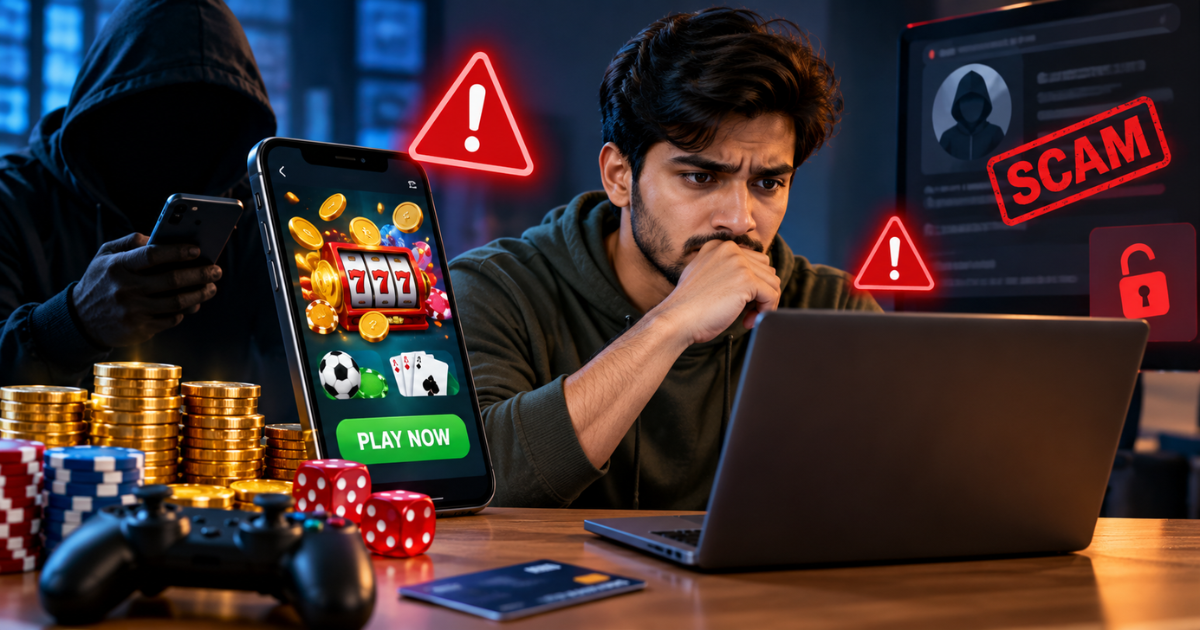
Online gaming has become a popular way to relax, compete with friends, explore virtual worlds, and participate in multiplayer tournaments. From mobile games to competitive esports platforms, players have more choices than ever. However, as online gaming continues to grow, scammers are finding new ways to take advantage of players.
Online gaming scams can affect beginners and experienced gamers alike. Some scammers promise free rewards, rare gaming items, or easy winnings, while others create fake websites, steal account credentials, or trick players into sending money. These scams often look convincing, making it difficult to recognize the danger until something goes wrong.
The good news is that most gaming scams can be avoided by understanding their warning signs and developing safer online habits. In this guide, PostNoble explains the common gaming scams players should know about and practical steps to protect their accounts, money, and personal information.
What Are Online Gaming Scams?
Online gaming scams are deceptive activities designed to steal money, personal information, gaming accounts, or valuable virtual items from players. Scammers may operate through gaming websites, mobile applications, social media, messaging platforms, or in-game chat systems.
Their methods vary, but their goal is usually the same: to gain something valuable by exploiting a player's trust, excitement, or lack of experience.
For example, a player might receive a message offering a rare skin at a heavily discounted price. Another player might encounter a website promising guaranteed tournament winnings after paying an entry fee. Although these offers may appear legitimate, they can lead to financial losses or account theft.
Understanding how these schemes work is the first step toward safer gaming.
10 Common Gaming Scams Every Player Should Recognize
Learning about common gaming scams can help players identify suspicious behavior before it causes serious problems. Here are ten types of scams worth watching out for.
1. Fake Gaming Websites and Platforms
One of the most common scams involves websites that imitate legitimate gaming platforms. These websites may use similar names, logos, layouts, and promotional messages to make visitors believe they are using a trusted service.
A fake platform might advertise exclusive rewards, attractive bonuses, or special gaming opportunities. After registering or depositing money, users may discover that the website does not provide the promised service.
Some fraudulent websites also collect login details and payment information.
How to stay safe: Check the website address carefully before creating an account or making a payment. Look for independent reviews, clear contact information, and verifiable company details. Avoid clicking unfamiliar links shared through unsolicited messages.
2. Free Rewards and Giveaway Scams
Free gaming rewards are appealing, particularly when they involve rare skins, premium currency, exclusive characters, or limited-edition items.
Scammers exploit this interest by advertising fake giveaways. They may ask players to complete surveys, share personal details, pay a small processing fee, or log in through an unofficial website to claim a prize.
In many cases, the promised reward never arrives.
How to stay safe: Verify giveaways through the game's official website or verified social media accounts. Be suspicious of offers that demand payment or sensitive information to release a supposedly free prize.
3. Account Theft and Phishing Attacks
Phishing is a technique scammers use to trick people into revealing confidential information. In gaming, these attacks often involve fake login pages, suspicious emails, or messages claiming that an account has violated platform rules.
A message might warn that an account will be permanently suspended unless the player verifies their identity immediately. The provided link may lead to a fraudulent page designed to steal login credentials.
Once scammers gain access, they may change account settings, steal virtual items, or attempt to access other accounts using the same password.
How to stay safe: Access gaming accounts through official applications or manually entered website addresses. Never share passwords or one-time verification codes. Enable two-factor authentication wherever available.
4. Fake In-Game Item Trading
Many online games allow players to exchange skins, collectibles, weapons, characters, or other virtual items. While legitimate trading can be part of the gaming experience, scammers may exploit these systems.
For instance, a buyer might promise payment after receiving an item but disappear once the trade is complete. Another scammer may offer a valuable item in exchange for several items, then manipulate the transaction to receive everything without providing the promised reward.
How to stay safe: Use official trading systems whenever possible. Review the final transaction carefully before confirming it, and avoid deals that require you to trust an unknown person outside the platform's protected trading process.
5. Fake Gaming Tournaments and Prize Scams
Competitive gaming and esports tournaments attract players hoping to test their skills and win prizes. Unfortunately, scammers sometimes create fake tournaments to collect registration fees or personal information.
They may advertise large cash prizes, demand an upfront payment, and then cancel the event without explanation. Others invent additional charges when participants attempt to claim their winnings.
How to stay safe: Research the tournament organizer, check previous events, and verify the published rules. Confirm the prize structure, entry requirements, and payment terms before registering. Avoid organizers who refuse to provide clear information.
6. Impersonation of Gaming Support Teams
Scammers sometimes pretend to represent customer support, moderators, tournament organizers, or game developers. They may contact players through chat, email, or social media and claim that an account needs urgent attention.
The supposed support representative might request a password, a verification code, or remote access to a device. Some may also demand payment to restore a suspended account.
How to stay safe: Contact customer support through the platform's official help center. Treat unsolicited messages with caution, even when the sender uses a familiar logo or professional language. Genuine support should not need your account password.
7. Fake Gaming Applications and Downloads
Not every game-related application or download is safe. Fraudulent applications may imitate popular games, advertise cheats, or promise free premium features.
After installation, they might collect unnecessary personal information, display deceptive advertisements, or install malicious software. Unofficial game modifications can also expose devices to security risks.
How to stay safe: Download games from trusted app stores or official developer websites. Review the developer's identity, app permissions, and user feedback. Avoid unknown installation files and tools that promise unrealistic advantages.
8. Cheats, Hacks, and Unfair Advantage Scams
Some websites promote aimbots, cheat engines, account boosters, or tools that supposedly guarantee better performance. These offers often target players who want to progress quickly or gain a competitive advantage.
The files may contain malware, while the websites may collect account credentials or payment information. Even when a tool works as advertised, using unauthorized software can violate a game's rules and result in an account ban.
How to stay safe: Avoid suspicious cheat downloads and services promising guaranteed victories. Improve your skills through legitimate practice, tutorials, and approved in-game features.
9. Fake Investment and Guaranteed Winnings Offers
Some gaming-related scams promise easy money through betting systems, virtual assets, gaming investments, or supposedly predictable results. They may claim that a special algorithm can guarantee winnings or that an initial deposit will quickly multiply.
These claims can be especially tempting to players who are new to online gaming or unfamiliar with financial risk.
How to stay safe: Be skeptical of guaranteed returns and risk-free winnings. Never invest money based solely on a stranger's claims or screenshots of supposed profits. Understand the risks and check whether a service is legally permitted to operate in your location.
10. Gaming Friends Who Request Money or Account Access
Not all scams come from strangers who appear suspicious. Some begin with friendly conversations in multiplayer games, gaming communities, or social media groups.
A person may build trust over time before asking for a loan, account access, valuable items, or help with an urgent payment. In other cases, someone may impersonate a real gaming friend whose account has been compromised.
How to stay safe: Keep passwords, recovery codes, and financial details private. Verify unusual requests through another communication channel, particularly when someone suddenly asks for money or valuable items.
How to Avoid Online Gaming Scams: A Practical Safety Checklist
Knowing the risks is useful, but consistent security habits offer better protection. Follow these steps whenever you play online or interact with gaming communities.
- Use strong, unique passwords: Create a different password for each important gaming account. A reputable password manager can help you manage them securely.
- Enable two-factor authentication: An additional verification step can make it harder for scammers to access your account, even if they obtain your password.
- Verify websites before paying: Check the domain name, company information, payment terms, and reputation of a platform before sharing financial details.
- Avoid suspicious links: Do not click unexpected links promising rewards, urgent account recovery, free currency, or exclusive access.
- Keep devices updated: Install security updates for your operating system, browser, and gaming applications to reduce exposure to known vulnerabilities.
- Protect payment information: Use trusted payment methods and review transactions regularly. Never share banking credentials, card security codes, or one-time passwords through gaming chats.
- Read platform policies: Understand the rules for trading, tournaments, refunds, and account recovery before participating in unfamiliar activities.
- Report suspicious accounts: Use the platform's reporting tools to flag impersonation, fraudulent offers, harassment, and suspicious transactions.
- Be cautious with personal information: Avoid sharing your home address, private documents, financial details, or other sensitive information with people you meet through games.
- Trust your instincts: If an offer sounds too good to be true or someone pressures you to act immediately, pause and verify the details.
These simple practices can significantly reduce the chances of becoming a target.
What Should You Do If You Fall for a Gaming Scam?
Even careful players can make mistakes. If you suspect that you have been scammed, acting quickly can help limit further damage.
First, secure your account. Change your password using the official website or application. If you reused the same password elsewhere, update those accounts as well. Enable two-factor authentication and review active sessions or connected devices.
Second, contact the platform. Report the incident to the game's official support team. Explain what happened and provide relevant transaction records, screenshots, or messages. Do not send your password or verification codes.
Third, contact your payment provider if money was involved. Notify your bank, card issuer, or payment service promptly. Ask whether the transaction can be stopped, disputed, or investigated. Recovery is not guaranteed, but reporting quickly may help.
Fourth, check your device for security problems. If you installed a suspicious application or file, remove it safely and run a reputable security scan. Consider getting professional assistance if you believe your device has been compromised.
Finally, preserve evidence and report the incident to the appropriate consumer protection or cybercrime authority in your country. In India, you can report suspected cybercrime through the official National Cyber Crime Reporting Portal at cybercrime.gov.in. For urgent financial cyber fraud, contact the national helpline at 1930 as soon as possible.
Avoid anyone who promises to recover your lost money for an upfront fee. Recovery scams frequently target people who have already experienced fraud.
Conclusion
Online gaming should be an enjoyable experience, whether you play casually, compete in esports, or connect with friends through multiplayer games. However, staying safe requires more than choosing a popular game. Players must also recognize deceptive offers, protect their accounts, and understand the risks associated with unfamiliar websites and online transactions.
The ten common gaming scams discussed in this guide demonstrate how fraudsters exploit trust, excitement, and the promise of quick rewards. Fortunately, checking links, using strong passwords, enabling two-factor authentication, and verifying platforms can help prevent many of these problems.
At PostNoble, we believe informed players can make better decisions online. By developing smart digital habits and reporting suspicious activity, you can protect your information, reduce financial risks, and enjoy a safer gaming experience.
Remember, a trustworthy gaming opportunity should not require you to sacrifice your account security or ignore obvious warning signs. When something seems suspicious, take a moment to verify it before proceeding.