
Responsible Gaming Guide: Tips for Safer Online Entertainment
Discover how responsible gaming helps you enjoy online entertainment safely. Learn practical tips to manage your time, set spending limits, avoid excessive play, and develop safer gaming habits.
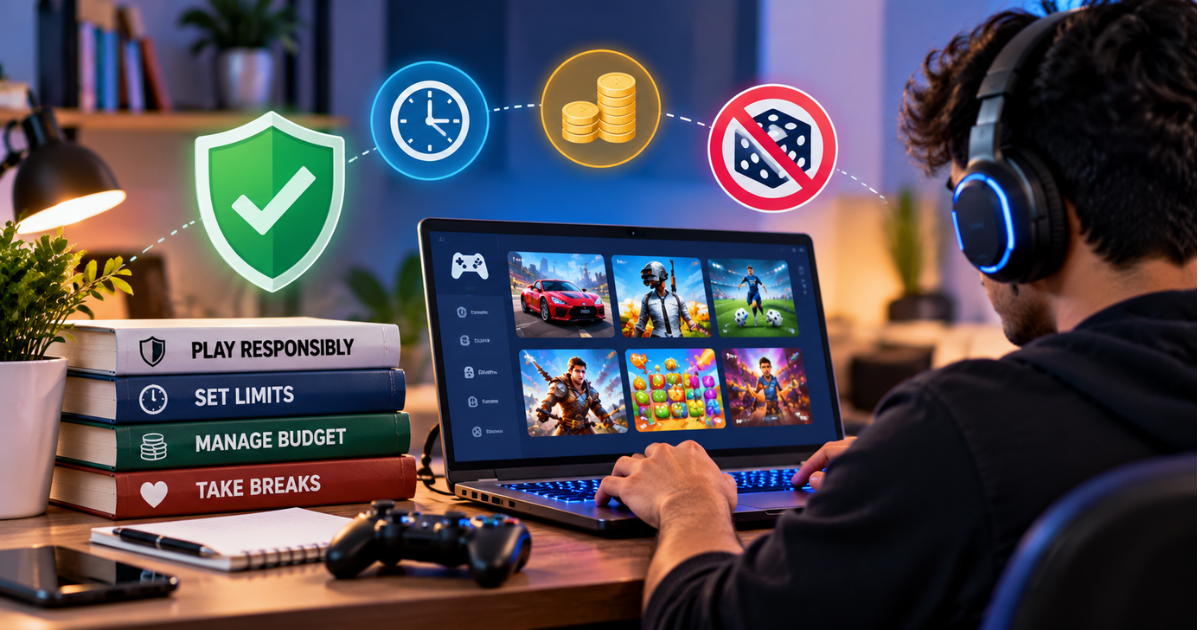
Online gaming has become a popular way to relax, enjoy friendly competition, and connect with people worldwide. From casual mobile games and multiplayer adventures to online casino platforms and esports, there are plenty of ways to enjoy digital entertainment. However, like any activity, gaming is best enjoyed when it stays balanced, controlled, and fun.
This is where responsible gaming becomes important. It encourages players to understand their habits, manage their time and money, and recognize when entertainment starts becoming a problem. Responsible gaming is not about giving up the activities you enjoy. Instead, it is about making informed decisions and keeping gaming within healthy limits.
At PostNoble, we believe that understanding online entertainment helps people make smarter choices. Whether you are a beginner or an experienced player, these practical tips can help you build safer gaming habits and enjoy a more balanced digital lifestyle.
What Is Responsible Gaming?
Responsible gaming means participating in gaming activities while maintaining control over your time, spending, and decisions. It involves understanding the risks associated with certain games, setting personal boundaries, and recognizing when it is time to take a break.
For example, someone who enjoys online games responsibly might decide in advance how long they will play, avoid spending money they cannot afford to lose, and stop when gaming no longer feels enjoyable.
These principles are especially important for games involving real money, including online casino games and betting activities. Such games can involve financial risks, and winning is never guaranteed. No strategy can eliminate the possibility of losing money.
Responsible gaming also means remembering that gaming should never interfere with essential responsibilities, relationships, sleep, education, or work.
10 Responsible Gaming Tips for Safer Online Entertainment
Building a healthier relationship with online entertainment does not have to be complicated. Small, consistent decisions can make a meaningful difference. Here are ten practical responsible online gaming tips to help you stay in control.
1. Set a Gaming Budget Before You Start
One of the most important steps toward responsible gaming is deciding how much money, if any, you are comfortable spending.
If you play free-to-play games, consider whether optional purchases fit your budget. If you participate in real-money gaming where legally permitted, only use money left over after essential expenses have been covered.
Rent, groceries, bills, savings, and other necessary expenses should always come first. Never borrow money, use credit to fund gambling, or spend money intended for family responsibilities.
A simple monthly budget can help you understand your entertainment expenses and prevent unexpected spending.
Remember, money spent on gambling should be treated as money you may lose entirely, not as an investment or a reliable way to earn income.
2. Decide How Much Time You Will Spend Playing
Online games are designed to keep players engaged, and it is easy to lose track of time when you are enjoying yourself.
Before opening a game, decide how long you want to play. You might choose a short session after work or reserve a specific period during the weekend.
Use alarms, device screen-time settings, or gaming reminders to help you stick to your plan. When your planned session ends, make an effort to log out rather than starting another round automatically.
Managing your time allows you to enjoy gaming without sacrificing sleep, exercise, work, studies, or time with loved ones.
3. Understand the Rules and Risks of Every Game
Before trying a new game, take a few minutes to understand how it works.
Learn the rules, payment structure, available features, and any costs associated with participation. For real-money games, check the odds and understand that outcomes may involve chance. A previous win does not guarantee another win, and a losing streak does not mean a win is due.
Be cautious of platforms or individuals promising guaranteed profits, secret winning systems, or risk-free betting opportunities.
Understanding the risks helps you make informed choices instead of relying on unrealistic expectations.
4. Choose Trusted and Legally Permitted Platforms
Not every gaming website or application offers the same level of safety. Before creating an account, research the platform and review its reputation, privacy policy, security measures, and terms of service.
For real-money gaming, check whether the platform is properly licensed or authorized for your location. Laws and age requirements vary by jurisdiction, so make sure the activity is legal where you live.
Look for clear information about deposits, withdrawals, account restrictions, and customer support. Avoid platforms that hide important terms, pressure you to deposit money, or request unnecessary personal information.
Using a legitimate service cannot remove every risk, but checking these details can help you avoid certain scams and misleading offers.
5. Never Chase Losses
Chasing losses happens when a player continues spending money in an attempt to recover what they have already lost.
For example, after losing money on a betting platform, someone might increase their next stake because they believe they must win it back. This can lead to greater losses and poor decisions.
The safer response is to accept that losses can happen and stop when you reach your predetermined limit.
Do not borrow money, increase your budget, or continue playing because you feel frustrated or embarrassed about losing. There is no guarantee that another game will recover your money.
Knowing when to stop is an essential part of safer gaming habits.
6. Take Regular Breaks and Check Your Emotions
Gaming can feel different depending on your mood. Playing for entertainment when you feel relaxed is not the same as using games to escape stress, anger, loneliness, or financial worries.
Take regular breaks, stretch, drink water, and spend some time away from your screen. During these breaks, ask yourself whether you are still enjoying the activity or simply continuing out of habit.
If you feel irritated, anxious, or desperate to win, step away instead of making decisions in the heat of the moment.
Healthy gaming should leave room for other activities that help you relax, such as exercise, reading, listening to music, or spending time outdoors.
7. Use Available Safety and Self-Control Tools
Many gaming platforms offer features that help users manage their activity. Depending on the service, these may include spending limits, deposit limits, session reminders, time-outs, and self-exclusion options.
Explore these tools before you need them. Setting limits in advance can make it easier to follow your own rules when emotions or excitement affect your judgment.
For casino and betting platforms, self-exclusion may allow you to restrict access to your account for a chosen period or longer. If you find it difficult to control gambling, consider using stronger restrictions and seeking professional support.
For general video games, device-level screen-time controls and purchase restrictions can also help prevent excessive play or unwanted spending.
8. Keep Gaming Separate From Your Personal Responsibilities
Gaming should fit into your life rather than becoming the centre of it.
Avoid playing when you should be working, studying, sleeping, or taking care of important responsibilities. Try to complete essential tasks before beginning a gaming session.
It is also helpful to maintain offline interests and social connections. Meeting friends, participating in hobbies, exercising, and spending time with family can help create a healthier balance.
If gaming regularly causes arguments, missed deadlines, poor sleep, or financial difficulties, take those signs seriously. They may indicate that your current habits need to change.
9. Protect Your Personal and Financial Information
Safer online entertainment also involves protecting your digital identity.
Use strong, unique passwords and enable two-factor authentication when available. Never share your login details, one-time passwords, banking PINs, or other confidential information with strangers.
Be careful with messages offering free credits, exclusive rewards, guaranteed returns, or special access in exchange for payments or personal details. These offers may be designed to steal money or compromise your account.
Avoid downloading unofficial applications or clicking suspicious links. If you use payment services, review your transactions regularly and contact your financial provider if you notice unauthorized activity.
Good digital security habits help make online entertainment safer and more secure.
10. Recognize Warning Signs and Ask for Help
Sometimes gaming can gradually become difficult to control. Recognizing the early warning signs is an important part of responsible gaming.
Pay attention if you frequently play longer than intended, hide your gaming activity, spend more than planned, neglect responsibilities, or feel restless when you cannot play.
For gambling-related activities, other warning signs include repeatedly chasing losses, borrowing money to gamble, and believing that another bet is the only way to solve financial problems.
If these patterns sound familiar, consider taking a break, using blocking or self-exclusion tools, and speaking with someone you trust. A qualified counsellor or a gambling-support service can provide confidential guidance and help you develop a plan.
Asking for help is a positive step, not a failure. Early support can make it easier to regain control before problems become more serious.
How to Build Safer Gaming Habits That Last
Knowing the right tips is useful, but applying them consistently is what makes the difference. Start with a few realistic rules and gradually develop a routine that works for you.
For example, you can choose specific gaming hours, set a spending limit for optional purchases, schedule regular breaks, and review your habits at the end of each week.
You can also keep a simple record of how much time and money you spend on gaming. This can help you identify patterns that might otherwise go unnoticed.
If you play with friends, encourage a culture where taking breaks and respecting personal limits are normal. Avoid pressuring others to spend money, play longer, or participate in activities they do not enjoy.
Most importantly, remember that you do not have to play every day or participate in every new trend. It is perfectly fine to skip a game, turn down an offer, or stop playing whenever you want.
Final Thoughts
Responsible gaming is about enjoying online entertainment without losing control of your time, money, or well-being. By setting clear limits, understanding risks, choosing appropriate platforms, protecting personal information, and recognizing warning signs, you can make more informed decisions about your gaming activities.
The most important rule is simple: gaming should remain entertainment, not a source of financial pressure or emotional distress. No game is worth sacrificing your health, relationships, or essential responsibilities.
At PostNoble, we encourage readers to approach online entertainment with awareness and balance. Developing safer gaming habits takes consistency, but even small changes can help you build a healthier relationship with digital activities.
Play within your limits, take breaks when needed, and remember that staying in control is more important than winning any game.