
Virtual Reality Gaming in 2026: Trends, Features, and Future Potential
Discover virtual reality gaming in 2026, from immersive experiences and advanced VR features to emerging gaming trends and innovations shaping the future of virtual reality gaming.
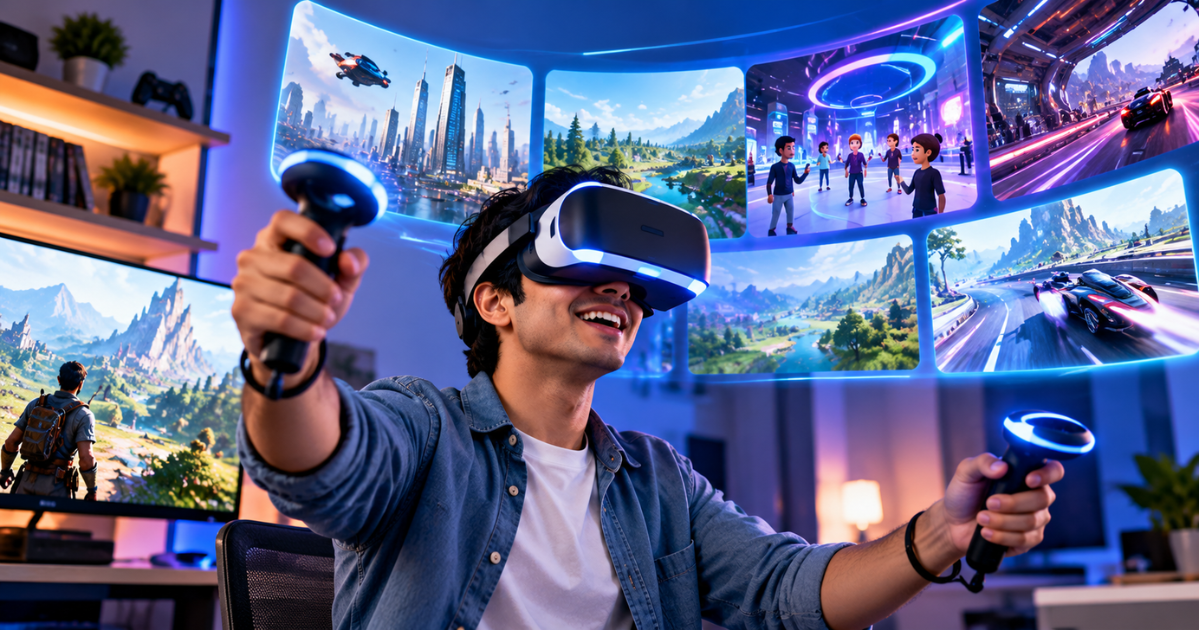
Virtual reality has changed the way people experience digital entertainment. Instead of simply looking at a screen and pressing buttons, players can now step into virtual worlds, interact with objects, explore detailed environments, and feel closer to the action. What once seemed like science fiction is becoming a more practical part of modern gaming.
In 2026, virtual reality gaming 2026 is attracting attention for its immersive gameplay, wireless headsets, social experiences, and growing range of games. From action-packed adventures to sports simulations and multiplayer challenges, VR offers something for different types of players.
However, the technology still has challenges. Headset prices, comfort, game availability, and motion sickness can affect the overall experience. Understanding these factors helps players decide whether VR gaming is worth exploring.
In this guide, PostNoble explores the major VR gaming trends, important features, and future opportunities that could shape the industry in the coming years.
What Is Virtual Reality Gaming?
Virtual reality gaming uses specialized headsets and compatible controllers or hand-tracking systems to create an interactive digital environment. When players move their heads, look around, or use their hands, the virtual world responds to their actions.
For example, a traditional racing game shows a car from a screen-based perspective. In a VR racing game, players can look around the cockpit, check their surroundings, and experience the race from a more realistic viewpoint.
Many modern VR systems also support wireless gameplay, spatial audio, and room-scale movement. These features make gaming feel more natural and engaging.
The experience depends on the headset, game design, hardware performance, and the player's comfort. VR is not necessarily better for every genre, but it offers a different way to interact with games.
7 Major VR Gaming Trends Shaping 2026
Several developments are influencing how players discover, purchase, and enjoy virtual reality games. Here are seven important trends worth understanding.
1. Wireless VR Headsets Are Making Gaming More Convenient
One of the biggest advantages of modern VR is the ability to play without connecting a headset to a powerful computer. Standalone devices combine processing power, displays, tracking, and battery systems in a single headset.
This makes setup easier for beginners and reduces the need for complicated cables or external sensors.
Wireless PC VR streaming also allows compatible headsets to access games running on a gaming computer. However, the experience depends on network quality, hardware compatibility, and latency.
As wireless technology improves, players can expect more flexible ways to enjoy immersive games at home.
2. Better Graphics and More Realistic Virtual Worlds
Visual quality plays an important role in making VR games believable. Clearer displays, improved lenses, better lighting, and more detailed environments can help players feel connected to the virtual world.
Developers are also exploring more realistic animations, environmental effects, and interactive objects. A forest can feel more alive when trees move naturally, lighting changes with the environment, and sounds come from different directions.
Nevertheless, impressive graphics require careful optimization. VR systems must render images smoothly to avoid discomfort, so developers often balance visual detail with consistent performance.
3. Multiplayer VR Is Creating More Social Experiences
Gaming is often more enjoyable when friends can participate together. Multiplayer VR allows people to communicate through voice chat, use avatars, complete missions, compete in matches, or explore shared environments.
These experiences can make online interactions feel more personal because players can see each other's movements and gestures.
Social VR is also helping gaming communities grow around shared interests. Friends who live far apart can meet inside a virtual environment rather than relying entirely on conventional video calls or text messages.
As cross-platform support develops, connecting players across different devices could become increasingly important. Availability still varies between games and platforms.
4. Fitness and Sports Games Are Expanding VR's Appeal
VR gaming is no longer limited to fantasy adventures and shooting games. Fitness applications, boxing simulations, rhythm games, and sports experiences offer more active ways to play.
Players can swing their arms, dodge virtual opponents, follow musical rhythms, or practise movements in simulated environments. These activities can make exercise feel more entertaining for people who struggle with traditional workout routines.
However, the intensity varies considerably between games. Players should choose suitable difficulty levels, clear enough space, and take breaks when needed. VR fitness can complement physical activity, but it should not automatically be treated as a replacement for a balanced exercise routine.
5. Subscription Services Are Changing Game Discovery
Buying individual games is no longer the only way to explore a VR library. Subscription services can provide access to collections of games for a recurring fee.
This approach may help beginners try different genres without purchasing every title separately. It can also give players an opportunity to discover smaller games they might otherwise overlook.
In July 2026, Reuters reported that Meta was incorporating Xbox Game Pass Starter Edition into its Horizon+ subscription service, expanding access to a collection of Xbox titles alongside the existing VR game library. The exact experience and available titles depend on the service and compatible hardware.
For players, the important consideration is value. Before subscribing, check the catalogue, supported devices, monthly cost, and whether the games you want to play are actually included.
6. Hand Tracking and Natural Controls Are Improving Interaction
Traditional controllers remain useful for precise movements, aiming, and complex actions. At the same time, hand-tracking technology allows supported VR systems to recognize certain gestures without requiring physical controllers.
This can make basic interactions feel more intuitive. Players may be able to select menus, point at objects, or interact with elements of a virtual environment using their hands.
Developers are also experimenting with more natural interfaces and improved feedback systems. These features could make VR easier for newcomers who find conventional controller layouts confusing.
Hand tracking still has limitations, including tracking accuracy, gesture recognition, and differences between supported applications. Its usefulness depends on the type of game being played.
7. Artificial Intelligence Could Make Games More Dynamic
Artificial intelligence has the potential to change how virtual characters behave and how game environments respond to players.
Instead of following only predictable patterns, future non-player characters could respond more naturally to conversations, player choices, and changing situations. AI-assisted development may also help studios test environments, create certain assets, and improve development workflows.
Imagine exploring a virtual adventure in which characters react differently depending on how you approach a situation. Such experiences could make repeated playthroughs feel more varied.
However, these possibilities should not be confused with features already available in every VR game. Implementation, performance, reliability, and development costs remain important considerations.
Important Features to Consider Before Buying a VR Headset
Choosing a VR headset involves more than comparing display specifications. The right device should match your preferred games, available space, budget, and comfort requirements.
Consider these factors before making a purchase:
- Display clarity: Higher resolution and good lenses can improve visual detail and readability.
- Refresh rate and performance: Smooth, consistent performance is essential for comfortable gameplay.
- Comfort and weight: A well-balanced headset is easier to wear during longer sessions.
- Tracking quality: Reliable head and controller tracking helps make interactions feel responsive.
- Game library: Confirm that the headset supports the games and applications you want.
- Standalone or PC-connected operation: Standalone headsets are convenient, while PC-connected systems may offer access to more demanding experiences.
- Battery life: Wireless players should consider how long the headset lasts between charges.
- Total cost: Include controllers, accessories, subscriptions, and any computer upgrades that may be necessary.
Beginners should also look for simple setup instructions, accessible tutorials, and comfortable introductory games. Trying a headset before buying one can help you understand its fit and visual quality.
What Is the Future of Virtual Reality Gaming?
The future of virtual reality gaming will depend on whether developers can make immersive experiences more comfortable, accessible, and worthwhile for everyday players.
Hardware improvements may bring lighter headsets, clearer displays, better battery efficiency, and more effective tracking. These changes could reduce some of the barriers that prevent people from using VR regularly.
Game development is another important factor. Better technology alone cannot guarantee success if players do not have enough compelling games to enjoy. Developers will need to create memorable experiences, support their communities, and provide reasons for people to return after the initial excitement fades.
Cloud technologies could eventually make some demanding experiences accessible on lighter devices, although network latency and infrastructure remain challenges. Meanwhile, AI could help create more responsive characters and personalized gameplay.
Social experiences may also become more important. Shared virtual spaces, cooperative missions, and competitive events can give players reasons to connect with friends and communities.
Still, the future is not guaranteed. High hardware costs, limited access to certain titles, motion discomfort, and inconsistent consumer demand may slow adoption. The most successful VR platforms will likely be those that combine useful technology with games people genuinely enjoy.
Is VR Gaming Worth Trying in 2026?
For players who enjoy immersive adventures, realistic simulations, rhythm games, or social multiplayer experiences, VR gaming is worth considering. It provides a different type of interaction that conventional gaming platforms cannot always reproduce.
Beginners do not necessarily need the most expensive headset. Starting with an affordable, compatible device and a few highly rated games can be a sensible way to explore the technology.
It is also important to understand personal comfort. Start with short sessions, use the headset's comfort settings, and stop playing if you experience dizziness, nausea, or eye strain.
Before buying, compare the available game libraries and calculate the full cost of ownership. A less expensive headset with games you love may offer better value than a premium device with limited appeal for your interests.
Final Thoughts
Virtual reality gaming in 2026 is developing through improvements in wireless hardware, graphics, multiplayer experiences, fitness applications, subscriptions, hand tracking, and AI-assisted game design. Together, these developments are creating new ways for players to experience digital entertainment.
At the same time, VR still needs to overcome practical challenges involving comfort, affordability, performance, and game availability. Progress will depend not only on better hardware but also on delivering experiences that players want to revisit.
For anyone interested in exploring new gaming technologies, VR offers an exciting opportunity to experience games from a fresh perspective. PostNoble encourages readers to research compatible devices, explore available titles, and choose an experience that fits their budget and interests.
As technology continues to evolve, the future of virtual reality gaming will be shaped by a simple question: can it deliver enjoyable experiences that people want to return to again and again?